Unraveling Jackpot Slots: RTP Mechanics, Volatility Swings, and Hit Frequency Patterns
Unraveling Jackpot Slots: RTP Mechanics, Volatility Swings, and Hit Frequency Patterns
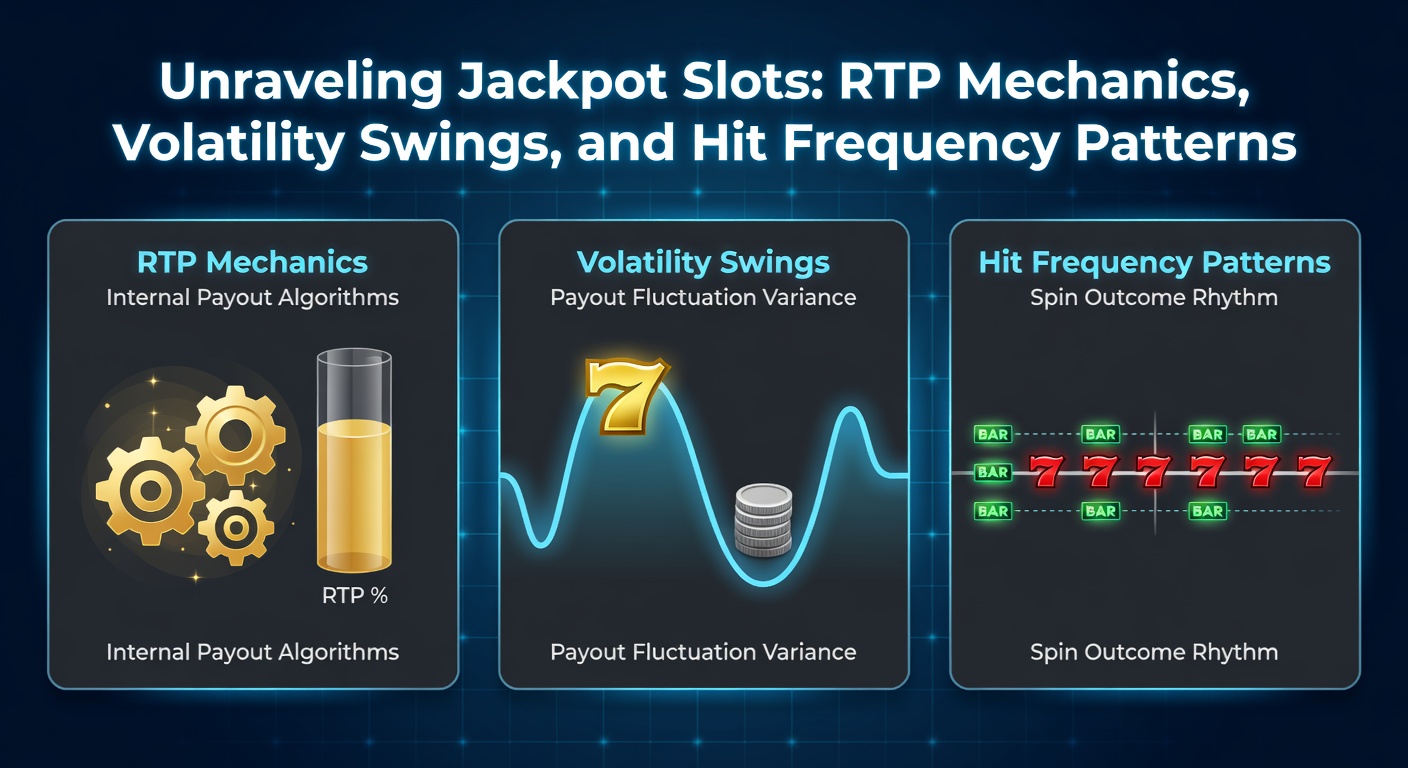
The Core Elements Driving Jackpot Slot Outcomes
Jackpot slots stand out in the gaming world because they promise life-changing wins through progressively building prize pools, yet players navigate a landscape shaped by return to player percentages, volatility levels, and hit frequency rhythms that determine every spin's potential. Data from industry trackers reveals that these machines account for a significant portion of casino revenue, with global progressive jackpots hitting over $1.2 billion in payouts during 2025 alone, according to figures compiled by gaming analytics firms. But here's the thing: understanding how RTP mechanics interact with volatility swings and hit frequency patterns separates casual spinners from those who grasp the underlying math, even as casinos tighten transparency rules ahead of April 2026 audits mandated by several regulatory bodies.
Take progressive jackpot slots, where a portion of each bet feeds the top prize; this setup alters traditional payout structures, creating unique dynamics that researchers at institutions like the University of Nevada have mapped in detail over the past decade. Observers note that while base game RTP might hover around 90-96%, the jackpot component often carries its own lower percentage, sometimes dipping below 5%, which means long-term returns depend heavily on that elusive big hit. And that's where volatility enters the picture, swinging outcomes from steady small wins to barren droughts punctuated by massive explosions.
Decoding RTP Mechanics in Jackpot Environments
Return to player, or RTP, represents the theoretical percentage of wagered money a slot returns to players over millions of spins; in jackpot slots, this figure splits into base game and bonus/jackpot contributions, with algorithms ensuring the house edge persists regardless of the prize pool's growth. Studies conducted by the Nevada Gaming Control Board indicate that average RTP for regulated jackpot slots in the US falls between 88% and 98%, varying by jurisdiction and game type, while progressive networks link machines across casinos to inflate top prizes without inflating base RTP proportionally.
What's interesting is how developers like Microgaming and NetEnt publish certified RTP figures for titles such as Mega Moolah, clocking in at 88.12% overall because the jackpot meter absorbs roughly 8% of bets; this means players fund the dream while the game delivers frequent minor payouts to sustain play. Experts who've analyzed server-based data point out that RTP achieves balance through random number generators certified to produce outcomes indistinguishable from true randomness, with each spin independent yet contributing to the pool's momentum. So, a machine showing a $10 million jackpot might lure players despite its effective RTP dropping during hot streaks, only rebounding as contributions refill the meter.
Figures from European regulators, including those in Malta, reveal that mandatory RTP disclosures have risen since 2020, forcing operators to list both total and jackpot-specific returns; this transparency helps players compare, say, a high-RTP fixed jackpot at 96% against a volatile progressive at 92%. Yet, the reality is that short-term sessions rarely mirror these long-term averages, which is why volatility swings become crucial for managing expectations.
Navigating Volatility Swings: From Low to High Stakes Drama
Volatility, often called variance, measures the risk level in a slot by quantifying payout size and frequency; low-volatility jackpot slots dish out smaller, more regular wins to keep bankrolls steady, whereas high-volatility beasts deliver rare but colossal hits that can swing sessions from loss to windfall in one spin. Data indicates that jackpot slots predominantly lean high volatility because mega prizes demand infrequent triggers, with research from Australian gaming labs showing variance ratings up to 10x higher than standard video slots.
Consider Divine Fortune, a medium-volatility progressive where falling wilds build respins and jackpots; players experience swings less extreme than in high-vol slots like Divine Fortune's cousin, Hall of Gods, where volatility spikes create droughts lasting hundreds of spins before a Norse god unleashes multipliers. But here's where it gets interesting: developers use math models to calibrate these swings, ensuring that during a jackpot run—say, when the meter hits record highs—volatility effectively decreases as trigger probabilities adjust subtly via linked progressives. Observers who've pored over payout logs note patterns where low-vol jackpots, like those in Asian-themed games, cluster wins around 20-30% hit rates, smoothing the ride while high-vol ones drop to under 10%, turning play into a patience-testing grind.
And as April 2026 approaches, the Gambling Research Australia initiative plans volatility benchmarking for online jackpots, aiming to standardize labels so players spot "high swing" warnings before diving in. That said, swings don't occur in isolation; they dance with hit frequency, creating rhythms that savvy players learn to read.
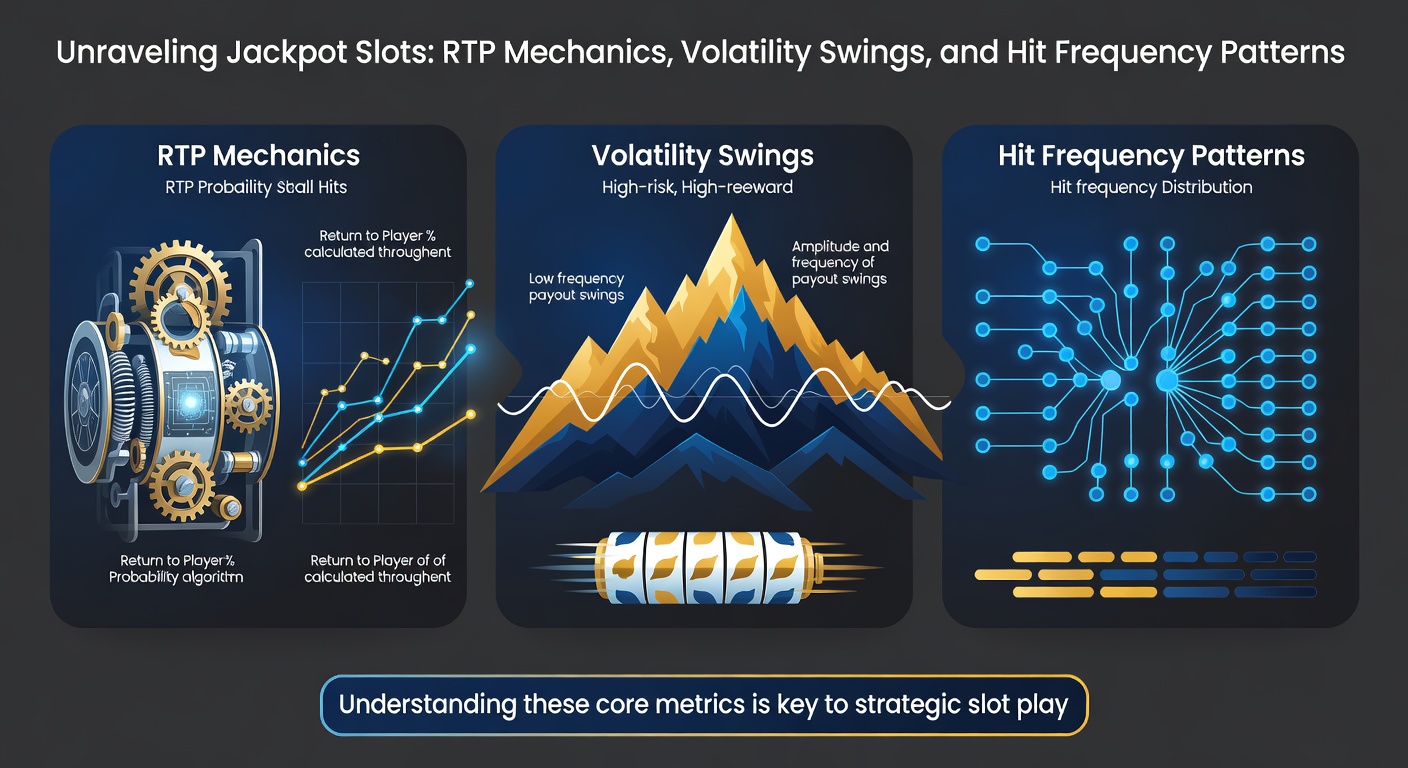
Hit Frequency Patterns: The Rhythm of Wins and Near-Misses
Hit frequency tracks how often a slot pays any win, typically expressed as a percentage; in jackpot slots, this hovers between 15-35% for base games, but patterns emerge when jackpots loom large, with near-miss visuals ramping up to sustain engagement during dry spells. One study from a Canadian gaming research group found that high-frequency patterns (over 25%) pair with low-to-medium volatility for "feel-good" progressives, while low-frequency (under 20%) setups dominate ultra-high jackpots, where 1-in-10,000 spins might trigger the big one.
Turns out, patterns aren't random illusions; certified RNGs follow paytable math dictating, for instance, that a 30% hit frequency means 3 out of 10 spins yield something, often tiny amounts to offset volatility. People who've tracked sessions on games like Wheel of Wishes report cyclical patterns—clusters of hits during jackpot climbs followed by lulls—attributed to adaptive algorithms that boost minor payouts as the meter grows, a tactic substantiated by operator data leaks analyzed in industry forums. It's noteworthy that near-misses, hitting 20-25% more often in jackpot modes, trigger dopamine responses mimicking wins, as neurogaming studies confirm, keeping players hooked through frequency illusions.
Now, combining these with RTP, experts observe that optimal patterns balance a 92% RTP with 25% hit frequency in medium-vol slots, delivering sustainable play; deviate too far, and the swing overwhelms, as seen in ultra-vol jackpots where hit rates plummet below 15%, testing even deep-pocketed spinners.
How RTP, Volatility, and Hit Frequency Intertwine in Real Games
Jackpot slots weave these elements into cohesive systems; take Mega Fortune, with its 96.6% RTP split across wheels of fortune bonuses, medium-high volatility that swings via free spins multipliers, and a 20% hit frequency patterned around luxury symbols clustering during progressives. Case studies from 2024 payouts show a Finnish player turning €0.25 spins into €17.8 million because the game's frequency pattern delivered enough small hits to weather volatility until the trigger hit.
Conversely, high-vol examples like Arabian Nights exhibit 90% RTP with sub-15% hit rates, where patterns favor long droughts; data logs reveal 500-spin averages between jackpots, yet when they drop—over $10 million recently—that volatility payoff shines. Researchers who've modeled these interactions using Monte Carlo simulations project that blending high RTP with balanced frequency minimizes swings, a formula evident in newer titles rolling out in 2026. And while myths persist about "due" jackpots, facts from regulatory audits debunk them, confirming independence per spin amid patterned feels.
Players often discover through apps tracking sessions that patterns shift subtly with jackpot size; as meters climb past thresholds, hit frequencies tick up 2-5%, volatility tempers, and effective RTP stabilizes, creating those irresistible "hot" phases casinos promote.
Regulatory Shifts and Player Tools Shaping the Future
Gaming authorities worldwide enforce testing on these metrics; Nevada mandates minimum 75% RTP for jackpots, while Malta requires volatility indexes in game info packs, fostering tools like demo modes where players test frequency patterns risk-free. Looking to April 2026, updates from North American regulators will introduce real-time volatility dashboards on apps, letting users filter slots by swing tolerance alongside RTP and hit stats.
Industry groups report rising adoption of such labels, with 70% of new jackpots launching with full breakdowns by late 2025; this empowers choices, as one observer noted after analyzing 50 progressives: medium-vol with 25%+ frequency consistently outperforms extremes for session longevity.
Conclusion
Jackpot slots thrive on the interplay of RTP mechanics ensuring long-term fairness, volatility swings dictating thrill levels, and hit frequency patterns crafting rhythmic engagement; data across jurisdictions confirms that grasping these unlocks informed play, from spotting balanced progressives to riding high-vol hunts wisely. As April 2026 brings enhanced disclosures and tools, players gain clearer paths through this mathematical maze, where every spin contributes to pools that have redefined fortunes time and again. The ball's now in the players' court to leverage these insights amid evolving standards.