Sensory Cues and Interface Tweaks Reshaping Engagement Across Reel Spins, Card Tables, and Networked Prize Systems
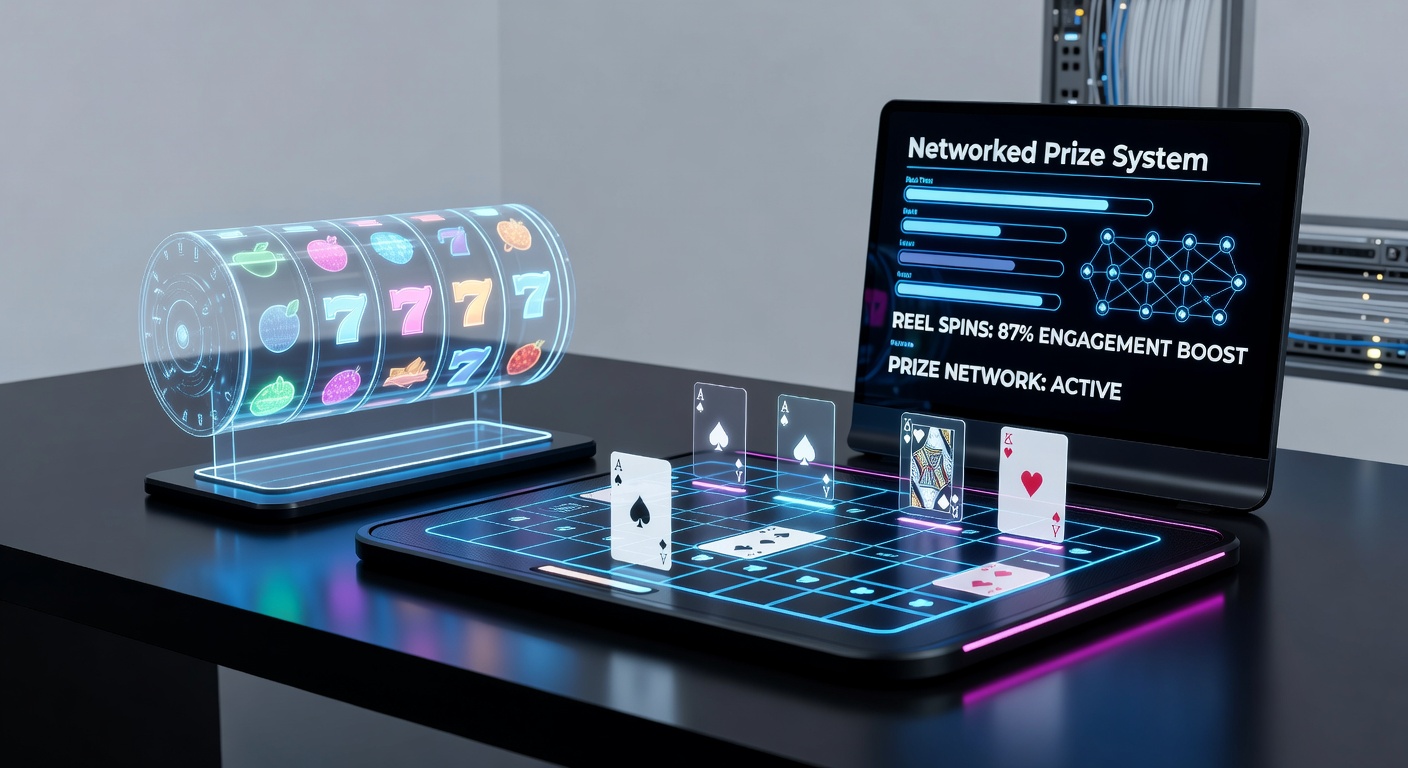
Developers continue to refine how players interact with digital and physical gaming environments through targeted sensory elements and subtle interface adjustments that influence attention and session length across slots, table games, and networked prize platforms. These modifications draw from established patterns in user behavior data and hardware capabilities that have expanded steadily since the widespread adoption of mobile devices and high-definition displays.
Reel-based games rely heavily on layered audio-visual signals to maintain momentum during spins, where incremental tweaks to animation timing and haptic responses create a rhythm that aligns with player input patterns. Research from multiple gaming technology firms indicates that synchronized sound effects with visual reel stops increase repeat engagement metrics by measurable margins in controlled testing environments, particularly when those effects scale in intensity based on bet size or streak progression.
Interface Adjustments in Slot Mechanics
Button layouts and information panels have shifted toward minimal distraction designs that surface key data only during decision points, allowing the core spinning action to dominate the visual field. Observers note that auto-spin toggles now integrate with gesture controls on touch devices, reducing the need for repeated taps while preserving the tactile feedback loop that many players associate with traditional mechanical reels. Data shows these changes correlate with extended play sessions in markets where mobile access dominates daily usage statistics.
Color grading and particle effects around winning combinations receive ongoing calibration to match regional preferences documented in player feedback aggregates. European and North American titles often feature brighter saturation levels during bonus triggers, whereas Asian-market variants emphasize smoother gradient transitions that echo cultural aesthetics in popular entertainment media.
Card Tables and Real-Time Sensory Integration
Live dealer platforms and hybrid table simulations apply similar principles through camera angles, dealer voice modulation, and background ambiance tracks that adjust dynamically based on table activity levels. Interface overlays display card histories and betting trends without obscuring the main action, a refinement that emerged from iterative testing across multiple software providers since 2023. Those who monitor session analytics report that players maintain higher focus when these elements respond fluidly to game pace rather than remaining static.
Networked prize systems extend these concepts across interconnected player pools where progress bars, shared leaderboards, and collective win notifications create social feedback loops. Prize pool counters update with subtle visual pulses timed to coincide with new contributions, reinforcing the sense of ongoing activity without requiring constant manual checks. Figures from industry tracking services reveal steady growth in participation rates for these linked formats, especially during periods when operators introduce seasonal promotions tied to major sporting events.
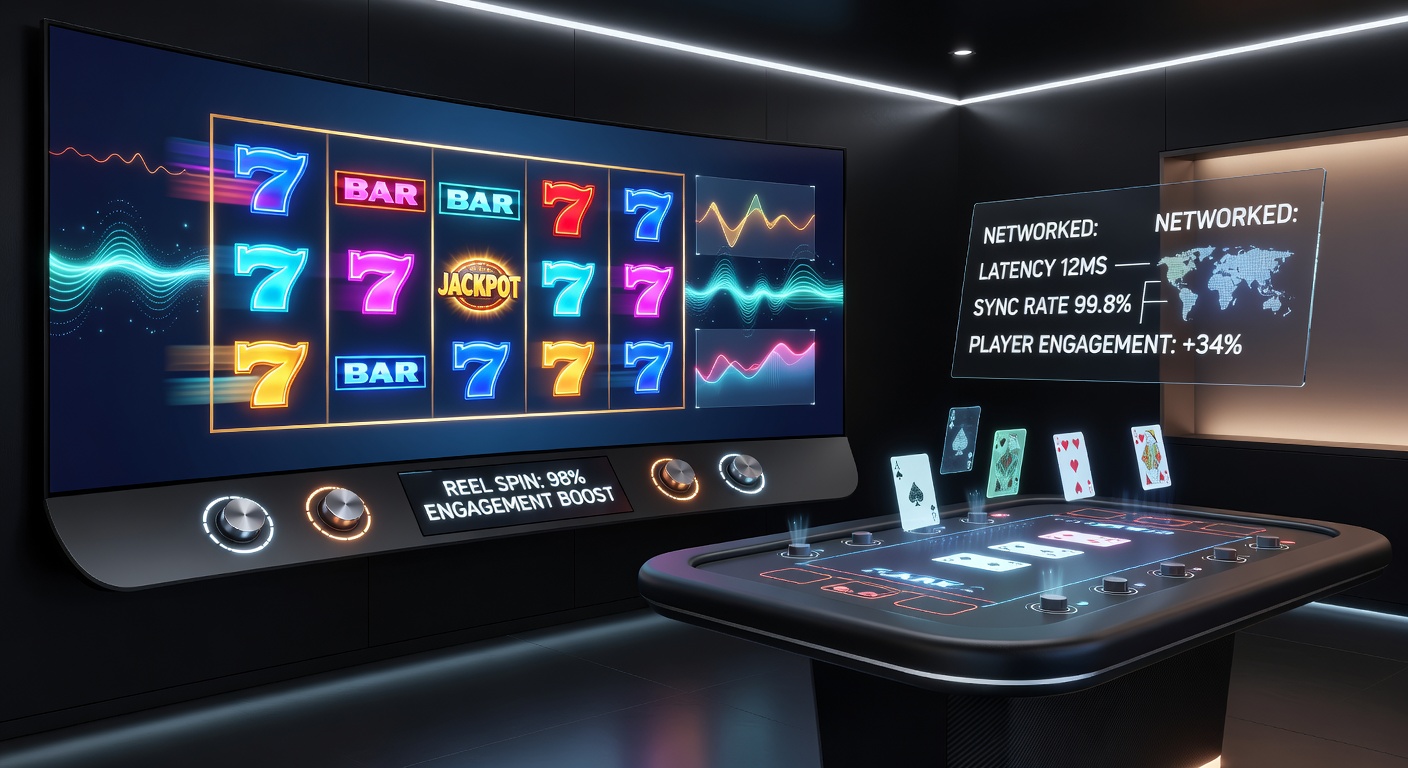
As operators prepare fresh networked prize launches scheduled for May 2026, emphasis has fallen on cross-device consistency so that transitions between desktop and mobile maintain the same cue timing and response sensitivity. Regulatory filings in several U.S. states and Canadian provinces document these preparations, highlighting hardware compatibility requirements that ensure haptic and audio features perform reliably across the range of consumer devices currently in circulation.
Cross-Platform Data Patterns and Adjustments
Studies compiled by the American Gaming Association highlight how small interface refinements, such as repositioned bet adjustment sliders and context-sensitive help prompts, reduce cognitive load during complex multi-game sessions. These tweaks appear most effective when paired with adaptive soundscapes that lower volume during idle periods and ramp up during high-stakes sequences, a pattern confirmed through eye-tracking and interaction logging in laboratory settings.
Regional gaming authorities, including those in Nevada and New Jersey, continue to review how such features align with responsible play guidelines while still supporting the engagement metrics that drive revenue stability. Reports from these bodies show that operators incorporating graduated sensory intensity levels often record steadier daily active user numbers compared to platforms relying on uniform presentation styles.
What's interesting here is the way networked systems increasingly borrow cue structures from both slots and tables to unify the experience across different game types. Prize draw animations now frequently incorporate reel-like spin mechanics alongside card-flip transitions, creating a hybrid visual language that players recognize regardless of which section they enter first. This convergence stems from extensive A/B testing cycles that prioritize retention data over aesthetic novelty.
Conclusion
The ongoing evolution of sensory cues and interface elements reflects broader technological capacity rather than isolated creative choices. As hardware improves and player data accumulates, adjustments will likely continue to focus on seamless integration across reel spins, card tables, and networked prize environments. Industry reports from groups such as the Canadian Gaming Association and academic reviews published through institutions like the University of Nevada, Reno, provide the factual foundation for tracking these developments through 2026 and beyond, underscoring measurable impacts on engagement without prescribing specific design directions.