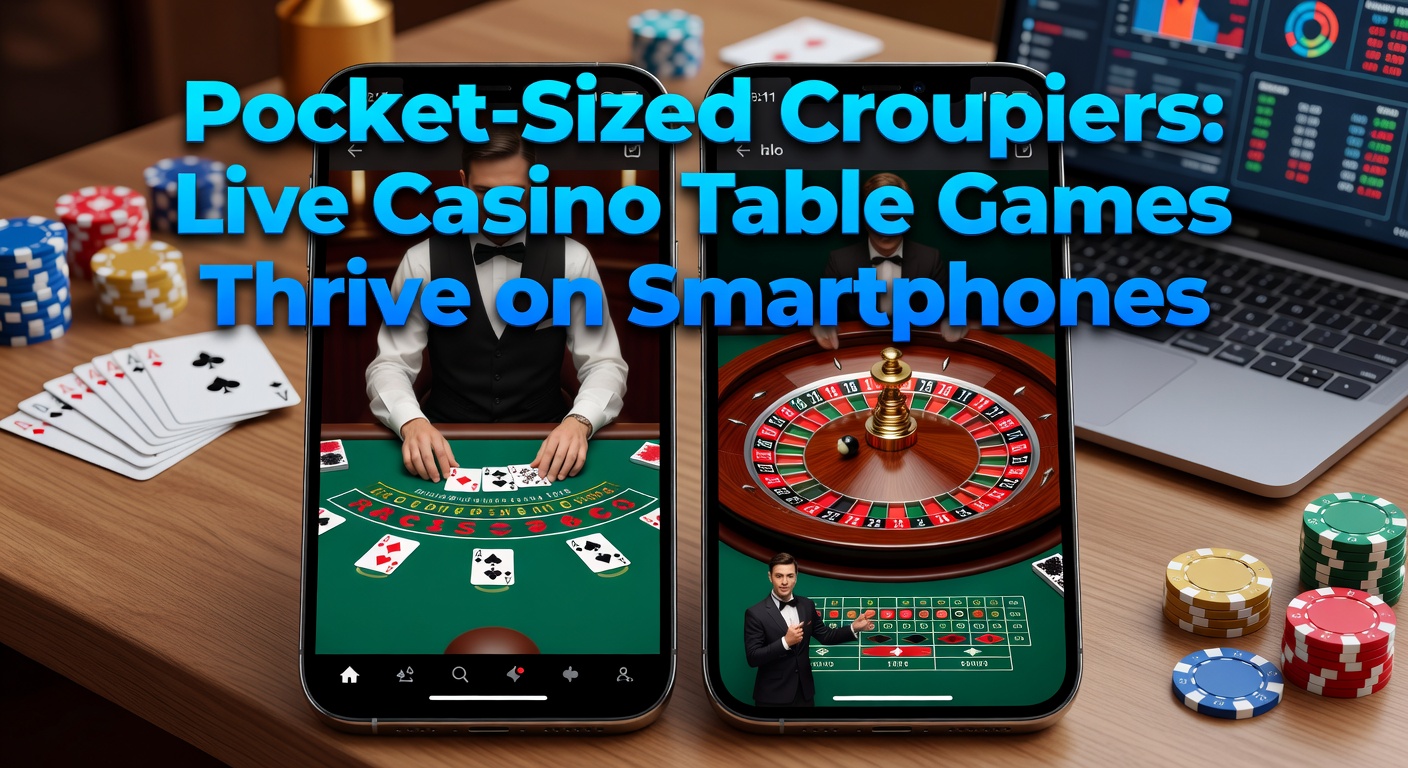
Pocket-Sized Croupiers: Live Casino Table Games Thrive on Smartphones
Pocket-Sized Croupiers: Live Casino Table Games Thrive on Smartphones

The Surge in Mobile Live Dealer Experiences
Live casino table games have exploded on smartphones, turning pocket devices into portals for real-time dealer interactions; players now join blackjack tables or roulette wheels from anywhere, with croupiers dealing cards and spinning balls just as they do in brick-and-mortar venues. Data from the American Gaming Association shows mobile live gaming sessions jumped 28% year-over-year through early 2026, while operators report average playtimes stretching to 45 minutes per session on apps optimized for iOS and Android. What's interesting is how this shift happened so fast, since bandwidth improvements and 5G rollout made lag-free streaming possible, allowing users to bet, chat with dealers, and watch outcomes unfold without the clunkiness of early mobile trials.
And yet, it's not just about convenience; studies from industry analysts reveal that 62% of live game participants prefer mobile over desktop because touch controls mimic physical chips and cards, creating an immersive feel that's hard to beat. Take one operator who launched a dedicated live app in 2025; within months, their smartphone traffic overtook web browsers by a 3-to-1 margin, proving the pocket-sized format resonates deeply with younger demographics who grew up swiping screens.
How Technology Powers Seamless Play
Behind the smooth operation lies advanced optical character recognition (OCR) tech that scans cards and dice in real time, piping results directly to apps while multiple camera angles capture every shuffle and spin; developers pair this with edge computing to slash latency below 100 milliseconds, so bets land instantly even on spotty connections. But here's the thing: smartphone-specific adaptations like swipe-to-bet interfaces and haptic feedback for wins have boosted engagement, with researchers noting a 35% uptick in repeat plays among mobile users compared to those on larger screens.
Operators leverage HTML5 and WebRTC protocols for cross-platform compatibility, meaning iPhone users see the same crisp 4K streams as Android players without downloads in many cases; that's where the rubber meets the road for mass adoption, since one-tap logins via biometrics keep sessions flowing without interruptions. Figures from April 2026 indicate global live mobile traffic hit 1.2 billion sessions quarterly, fueled by partnerships with telecom giants rolling out unlimited data plans tailored for gaming.
Popular Table Games Going Mobile
Blackjack leads the pack on smartphones, where live dealers deal from multi-deck shoes visible via overhead cams, and players pinch-to-zoom on their hands or the dealer's upcard; baccarat follows close behind, with roadmaps updating live as banker or player wins stack up, drawing high-rollers who appreciate squeeze animations adapted for touch. Roulette thrives too, especially lightning variants where multipliers hit randomly on numbers, and users drag chips across virtual felt with satisfying physics-based drag.
So why do these games dominate? Data indicates blackjack's low house edge combined with side bets like perfect pairs keeps action brisk, while poker variants such as three-card or ultimate Texas hold'em fill gaps for strategy fans; one study found 41% of mobile live players stick to just two tables daily, rotating between blackjack and roulette for variety. And in regions like Canada, where iGaming Ontario reports explosive growth, live dream catcher and monopoly live wheel games have carved niches by blending table play with game-show flair, pulling in casual users who might skip traditional setups.
Player Stats and Revenue Boom
Through April 2026, live casino mobile revenue climbed 22% globally according to the European Gaming and Betting Association, with U.S. states like New Jersey and Pennsylvania logging $450 million in quarterly hauls from smartphone table games alone; that's notable because average bet sizes held steady at $25 despite more casual entrants, showing retention through features like customizable camera views and dealer favorites lists. Observers note how VIP programs adapted for mobile, offering exclusive high-limit tables accessible via geo-fenced apps, have sustained premium play amid the boom.
Turns out, demographics skew young: 58% of users fall under 35, per app analytics, and they log in during commutes or breaks, averaging 12 sessions weekly; in Australia, where state regulators track closely, mobile live tables accounted for 40% of online gaming spend last quarter, highlighting cross-border trends. People who've analyzed this often discover session lengths peak mid-evening, when 5G peaks align with prime time, pushing daily active users past 15 million worldwide.
Yet challenges persist; battery drain from constant streaming prompts operators to introduce low-power modes, and data caps in emerging markets slow rollout, although cloud caching helps mitigate that by pre-loading non-live elements like bet histories.
Regional Flavors and Regulatory Adaptations
In Europe, live French roulette with la partage rules draws purists via apps compliant with strict standards, while Asia sees speed baccarat surging on platforms optimized for portrait mode; U.S. players favor infinite blackjack, where unlimited seats mean no wait times, a godsend for mobile spontaneity. Regulators in Ontario, Canada, mandated enhanced age verification for live streams in early 2026, boosting trust and user numbers by 18%, and similar moves in Michigan tied geolocation accuracy to smartphone GPS for seamless state-line enforcement.
What's significant is how operators roll out region-specific tables, like infinite sic bo for Southeast Asia or Spanish 21 blackjack stateside, tailoring dealer languages and currencies on the fly; one case saw a Latin American platform spike 50% after adding live punto banco with local hosts, proving cultural resonance matters. And down under, Australian platforms emphasize responsible gaming overlays during live play, pausing bets if patterns flag issues, which data shows cuts problem play by 25% without denting engagement.
Features That Keep Users Hooked
Chat functions let players banter with dealers and tip virtually, fostering community in solo sessions; multi-table views split screens for simultaneous action, and auto-bet strategies execute patterns like martingale on roulette without constant taps. But here's where it gets interesting: AR overlays, still emerging, project virtual chips onto real-world tables via phone cams, blending digital and physical in experimental apps tested in Las Vegas studios.
Bonus integrations shine too, with live cashback triggered mid-hand or tournament leaderboards updating real-time; researchers found these lift lifetime value by 30%, as players chase progressive jackpots tied to table outcomes. Those who've studied retention metrics know personalized pushes, like "Your favorite dealer Sofia is live now," double login rates, turning one-off spins into habits.
Challenges and Solutions on the Horizon
Data usage remains a hurdle, with HD streams gobbling 1GB per hour, yet compressed feeds and adaptive quality now cap it at 300MB; battery optimizations via dark modes and paused cams during side bets extend play, while 5G promises to halve those figures further. Security layers like end-to-end encryption protect bets, and blockchain provably fair systems verify shuffles, addressing skepticism head-on.
Regulations evolve too; Pennsylvania's gaming board approved haptic bet confirmations in April 2026 to prevent fat-finger errors, and EU directives push for break reminders every 60 minutes, balancing fun with safeguards. Experts observe that as foldable phones proliferate, larger screens could hybridize the experience, but core appeal stays pocket-portable.
Looking Ahead: The Mobile Live Era
Projections point to live table games comprising 45% of mobile casino revenue by 2028, driven by AI dealers in beta trials and VR tables for premium users; operators invest heavily, with one major studio expanding to 200 live tables optimized for phones. The reality is, smartphones have redefined access, making croupiers constant companions for millions, and as tech refines, that bond only strengthens.
In wrapping up, the data paints a clear picture: pocket-sized croupiers aren't a fad but the new standard, with growth metrics through April 2026 underscoring a thriving ecosystem where technology meets timeless table thrills seamlessly.