Player Pathways Linking Automated Reel Sessions to Interactive Dealer Encounters in Regional Resort Settings
Written by Zoe Schmitz · Aug 4, 2026
Player Pathways Linking Automated Reel Sessions to Interactive Dealer Encounters in Regional Resort Settings
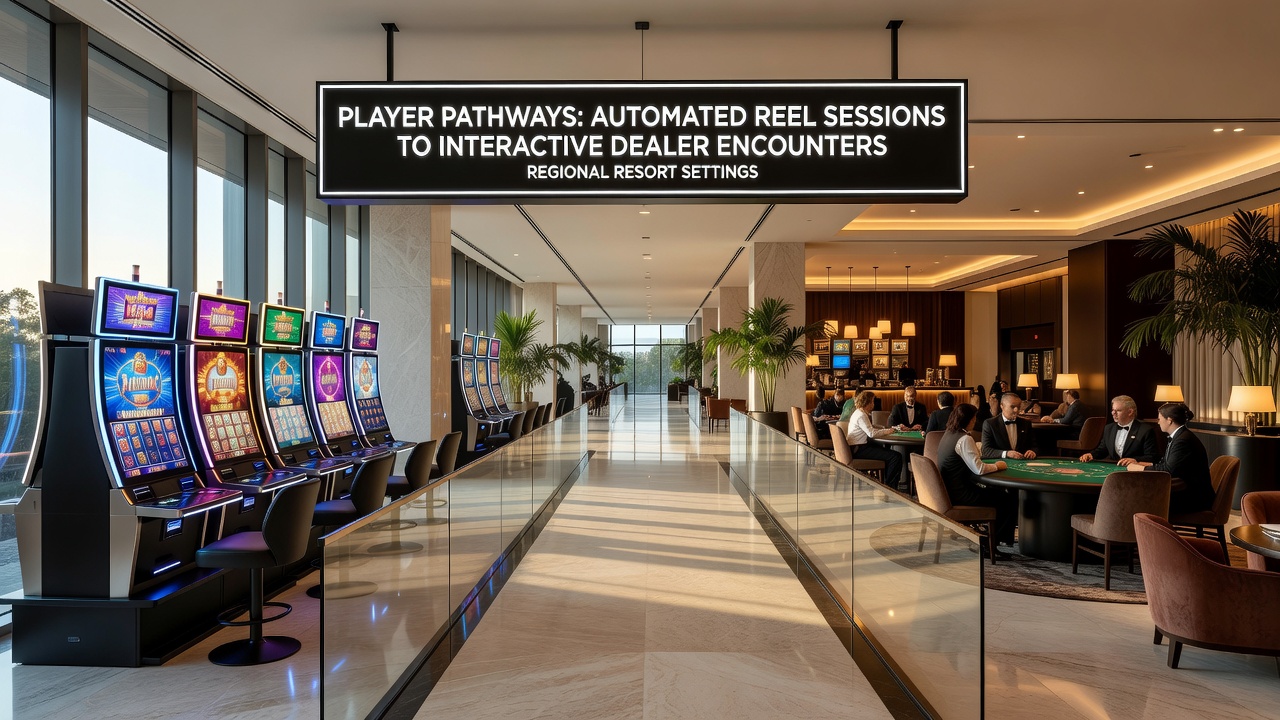
Regional resort casinos integrate automated reel sessions with interactive dealer encounters through structured credit accumulation systems and loyalty frameworks that guide players across both formats, and these pathways operate consistently in markets such as Pennsylvania, New York, and Michigan where operators track session data to connect initial machine play with subsequent table participation. Data from state regulatory filings indicate that players who start on reels often carry forward progress markers including bonus credits and tier points that unlock live game access, while facility layouts position reel banks near table pits to facilitate movement without requiring separate entry points.
Mechanics of Credit and Reward Integration
Automated reel machines issue credits that transfer directly into player accounts, and these balances convert into live table buy-ins at kiosks or through mobile apps linked to the resort's central system, whereas loyalty programs assign multiplier bonuses for combined play that increase redemption value when moving to dealer-led games. Reports from the American Gaming Association show that regional properties recorded higher cross-format session lengths in 2025 when reward layers connected reel outcomes to table minimum reductions, and similar patterns appeared in August 2026 filings where operators noted sustained carded play across both categories. Players accumulate these markers through base game activity and promotional triggers, then redeem them at dealer tables where interface screens display available conversions in real time.
Regional Resort Configurations and Player Flow
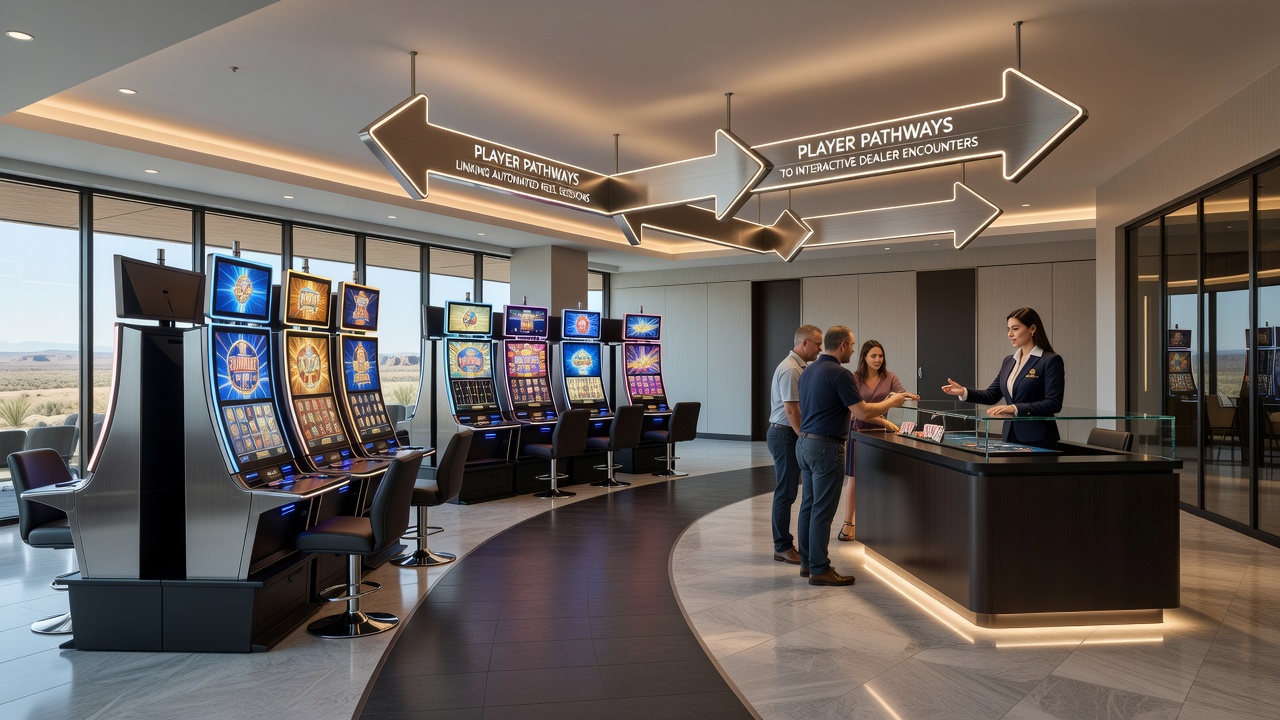
Facilities in secondary markets design floor plans that cluster reel sections adjacent to live pits, allowing visual and physical continuity that encourages transitions without additional navigation steps, while digital overlays on resort apps highlight nearby dealer availability based on current reel session totals. In states with expanded gaming legislation, operators report that carded players who engage reels first demonstrate elevated rates of table participation when loyalty tiers grant priority seating or reduced rake equivalents. Observers note that these configurations rely on networked systems that update credit balances across machines and tables within seconds, reducing friction for those shifting formats mid-visit.
August 2026 data releases from multiple state commissions revealed incremental growth in combined reel-to-table activity at regional properties, particularly where mobile interfaces allowed pre-selection of dealer tables using accumulated reel credits. Such systems operate under oversight from bodies including the Nevada Gaming Control Board, which tracks transaction logs to confirm seamless balance movements between automated and live environments.
Interface Adaptations Supporting Transitions
Resort operators deploy unified player tracking platforms that display reel progress alongside live table options on in-house terminals and personal devices, and these displays update dynamically as credits build from automated sessions. Research from the Australian Gambling Research Centre indicates that integrated displays correlate with extended overall visits when players receive prompts to apply reel-derived balances at dealer stations, while regional properties in the United States replicate similar features under local regulatory guidelines. The platforms also log transition frequency, enabling operators to adjust minimum table stakes or promotional overlays according to aggregate movement patterns recorded in monthly submissions.
Data Patterns Across Multiple Jurisdictions
State-level revenue reports compiled through 2026 document that regional resorts with linked reel and table systems maintain steady participation rates across both segments, and figures from Ontario's Alcohol and Gaming Commission of Ontario highlight comparable cross-format engagement in Canadian regional venues where credit portability functions identically. These patterns emerge because players retain session continuity through a single account that spans machine and dealer interactions, eliminating the need for separate funding steps. Industry analyses further show that August 2026 metrics reflected stable conversion rates when operators refreshed interface prompts to emphasize available table seats based on recent reel activity.
Conclusion
Regional resort settings maintain player pathways that connect automated reel sessions to interactive dealer encounters through credit transfers, loyalty multipliers, and unified interfaces that operate under established regulatory frameworks. Data from multiple jurisdictions confirm these mechanisms support consistent movement between formats while preserving session records and reward eligibility across both environments.