Intersections of Reel Volatility Patterns and Live Dealer Decision Processes in Smartphone-Based Gaming Environments
Written by Paul Meier · Jun 19, 2026
Intersections of Reel Volatility Patterns and Live Dealer Decision Processes in Smartphone-Based Gaming Environments
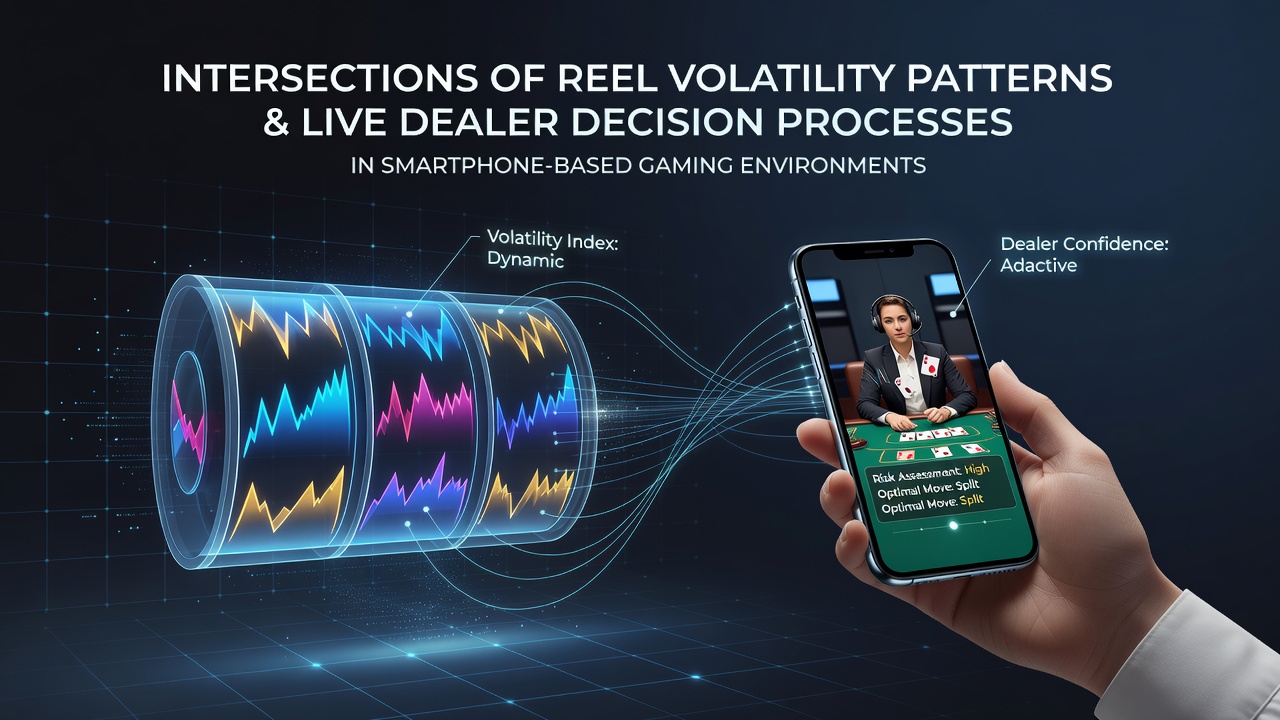
Smartphone-based gaming environments bring together slot reel mechanics and live dealer operations in ways that create measurable intersections between volatility patterns and decision timing, according to industry analyses from mid-2026. Reel volatility refers to the statistical distribution of payout frequencies and sizes in digital slot games while live dealer processes involve real-time choices made by croupiers in card and table formats streamed to mobile devices. These elements meet when players switch between automated reels and interactive dealer sessions on the same portable platform, and data collected through June 2026 shows consistent patterns in session duration and credit flow across both formats.
Reel Volatility Patterns in Mobile Contexts
Volatility in reel-based games operates through predefined algorithms that determine hit rates and prize clusters, and smartphone interfaces amplify these patterns because touch controls allow rapid spin sequences without physical lever delays. High-volatility reels produce longer stretches between significant payouts while low-volatility setups deliver more frequent smaller returns, and researchers tracking mobile usage in 2026 noted that players often adjust bet sizing within the first fifteen spins based on initial outcomes. Platform telemetry from multiple operators indicates that volatility curves remain stable across device types yet session length extends when players access games through dedicated applications rather than browsers.
Studies conducted by academic teams at institutions in Australia reveal that mobile reel sessions exhibit distinct clustering where medium-volatility titles generate the highest repeat engagement rates during evening hours. These patterns connect directly to interface elements such as quick-spin toggles and auto-play limits that reduce manual input time, and figures from the Australian Gambling Research Centre highlight how such features influence overall play velocity without altering underlying random number generator outputs.
Live Dealer Decision Processes on Portable Devices
Live dealer operations on smartphones require croupiers to manage physical cards or wheels while monitoring multiple player inputs through chat and betting panels, and decision timing becomes critical when network latency varies. Dealers follow standardized protocols for shuffling, dealing, and payout verification yet they also respond to table dynamics such as bet spreads and player requests for additional cards or side wagers. In June 2026 reports from the New Jersey Division of Gaming Enforcement documented average decision intervals of four to seven seconds per action in mobile-streamed blackjack and roulette tables, with shorter pauses observed during high-volume periods.
Camera angles and multi-table management tools allow dealers to maintain consistent pacing even as smartphone users join or leave sessions, and training modules developed by gaming associations emphasize recognition of betting patterns that signal potential rule infractions. Observers note that decision trees used by live staff incorporate both regulatory requirements and operational efficiency goals, creating a framework where individual choices affect game flow across distributed player bases.
Where Volatility Meets Dealer Choices
The intersection emerges when mobile users transition between reel sessions and live tables within single accounts, often carrying credit balances that reflect volatility-driven swings into dealer environments. Platform logs analyzed through the first half of 2026 show that players exiting high-volatility reel play tend to place smaller initial bets at live tables while those coming from low-volatility reels maintain steadier wagering amounts. This transfer behavior ties into accumulated credit systems that preserve session data across game types, allowing seamless movement without separate logins.
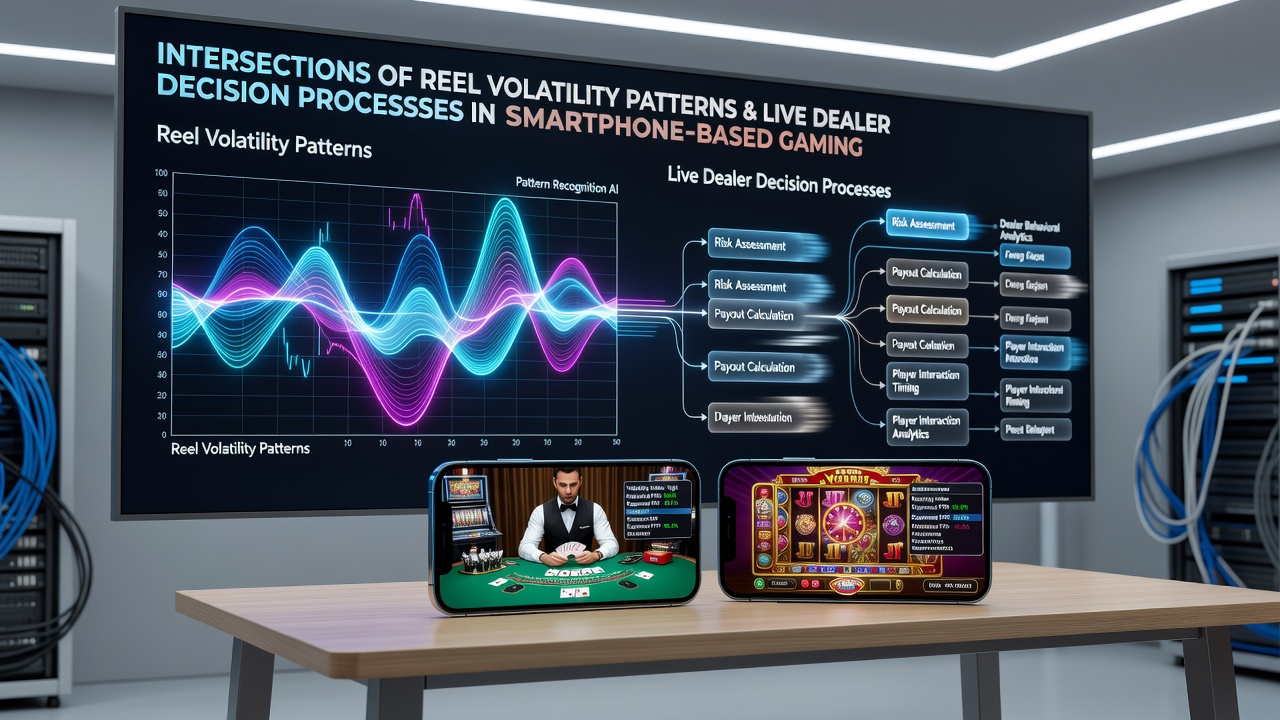
Dealers remain unaware of prior reel activity yet their real-time adjustments to table speed can influence how players perceive overall session momentum, and interface designers have introduced visual cues such as volatility meters that appear during game switches. Research from Canadian institutions on networked gaming environments indicates these cues help stabilize player attention spans when volatility patterns shift abruptly between automated and human-led formats.
Smartphone hardware constraints including battery drain and touch sensitivity further shape these intersections because extended reel sessions with rapid spins can lead users toward slower-paced live tables for recovery periods. Data aggregated by the Responsible Gambling Council in Canada demonstrates that session handoffs occur most frequently after thirty to forty-five minutes of continuous reel engagement, aligning with typical volatility cycle lengths in popular mobile titles.
Technical and Regulatory Dimensions in 2026
Regulatory frameworks updated through spring 2026 require operators to log both reel outcome sequences and live dealer actions with synchronized timestamps, enabling analysis of cross-format interactions on mobile networks. These requirements support identification of patterns where volatility spikes coincide with dealer decisions that extend or shorten rounds, and compliance reports filed in multiple jurisdictions show increasing use of automated monitoring tools to flag anomalies. Industry groups have published guidelines that recommend interface adjustments such as unified bet history displays to help players track movements between formats without disrupting dealer workflows.
Network providers and gaming software developers continue refining latency compensation algorithms that preserve decision integrity for live tables even during reel transitions, and tests completed before June 2026 confirmed reduced interruption rates when players move across game categories on fifth-generation mobile connections. Such technical alignments maintain statistical integrity of both volatility models and dealer protocols while supporting expanded smartphone participation.
Conclusion
Reel volatility patterns and live dealer decision processes intersect through shared mobile platforms that track credit flows, session timing, and interface adaptations, with 2026 data confirming measurable connections in player movement and platform performance. Continued monitoring by regulatory bodies and research organizations provides ongoing documentation of these dynamics across regions, and further integration of tracking systems promises additional clarity on how automated and human-led elements coexist in smartphone gaming environments.