Interface Bridges Linking Wheel Spin Variants with Hand Optimization Tactics Through Layered Reward Structures in App Ecosystems
Written by Paul Meier · Jun 26, 2026
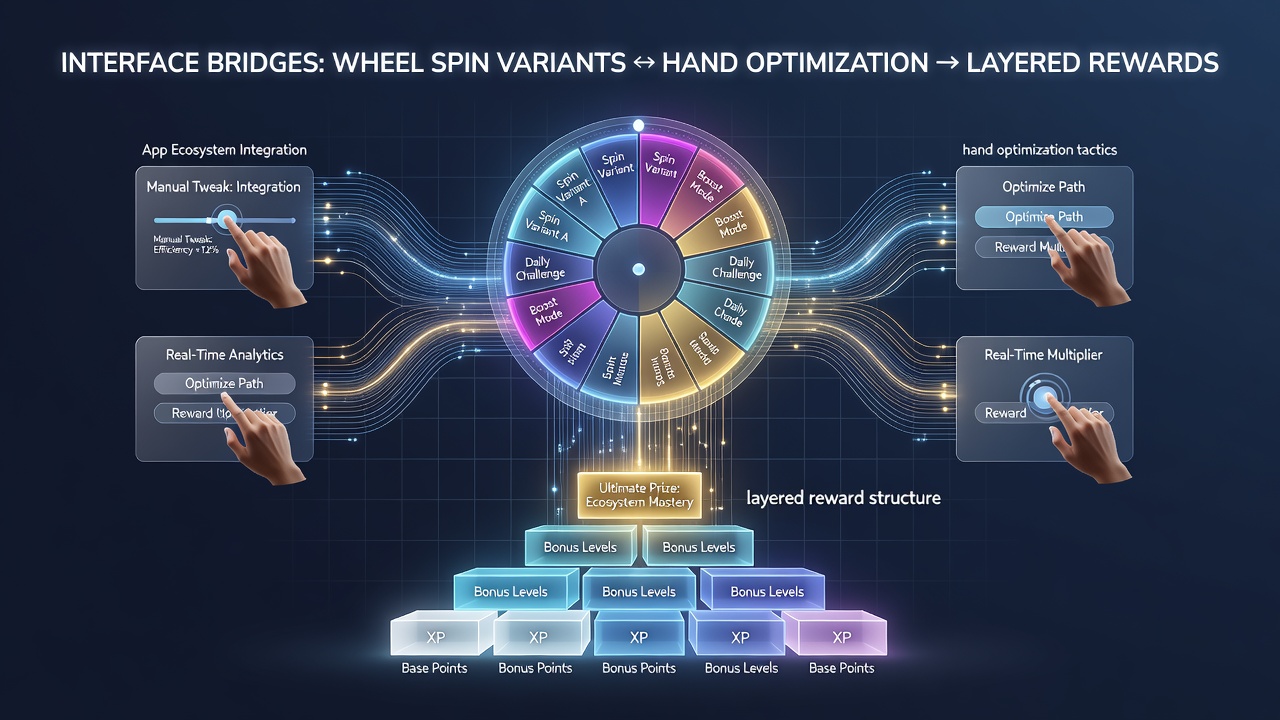
Interface Bridges Linking Wheel Spin Variants with Hand Optimization Tactics Through Layered Reward Structures in App Ecosystems
App ecosystems in digital gaming have developed interface bridges that connect wheel spin variants found in slot titles with hand optimization tactics common to card-based games, and these connections operate through layered reward structures that track player activity across both categories. Developers design these bridges so that progress in one game type influences opportunities in the other, creating pathways where accumulated credits or status levels unlock features such as enhanced multipliers on reels or strategic aids during card sessions.
Mechanics of Wheel Spin Variants in Mobile Platforms
Wheel spin variants operate through randomized reel outcomes that incorporate adjustable parameters including reel count, symbol density, and bonus trigger frequencies, while mobile interfaces present these elements with touch-responsive controls that allow rapid spin initiation and auto-play settings. Data from industry reports shows that players engage with multiple spin configurations within single sessions, and app ecosystems register each interaction to feed into unified player profiles that span game genres.
Hand Optimization Tactics and Their Integration Points
Hand optimization tactics in card environments focus on decision sequences such as hit-or-stand choices, bet sizing adjustments, and discard selections, all of which apps quantify through real-time analytics that compare user actions against probability models. Interface bridges translate these metrics into shared reward layers, so that successful optimization sequences generate points usable for reel-based bonuses or temporary feature unlocks on slot wheels.
Layered Reward Structures as Connecting Mechanisms
Layered reward structures consist of tiered systems that assign values to actions across wheel spins and card hands, beginning with base-level credits for participation and advancing to premium tiers that grant cross-game advantages such as increased payline activations or reduced house edges during specific rounds. These layers accumulate through combined activity rather than isolated play, which means time spent on one variant directly supports progression markers visible in the other.
Observers note that many platforms update these structures monthly to align with seasonal events, and June 2026 saw several operators introduce new tier thresholds that rewarded players for alternating between spin sessions and card optimization periods within the same hour. The result appears in session logs where users who engage both mechanics maintain longer overall activity windows compared with single-genre participants.
Interface Design Elements Enabling the Bridges
Interface elements that support these bridges include persistent navigation bars displaying unified progress bars, swipe gestures that transition between spin and card views without resetting reward counters, and overlay notifications that alert users when a completed hand optimization sequence has activated a reel modifier. Such designs reduce friction between game types and allow seamless movement while preserving the integrity of each mechanic's core rules.
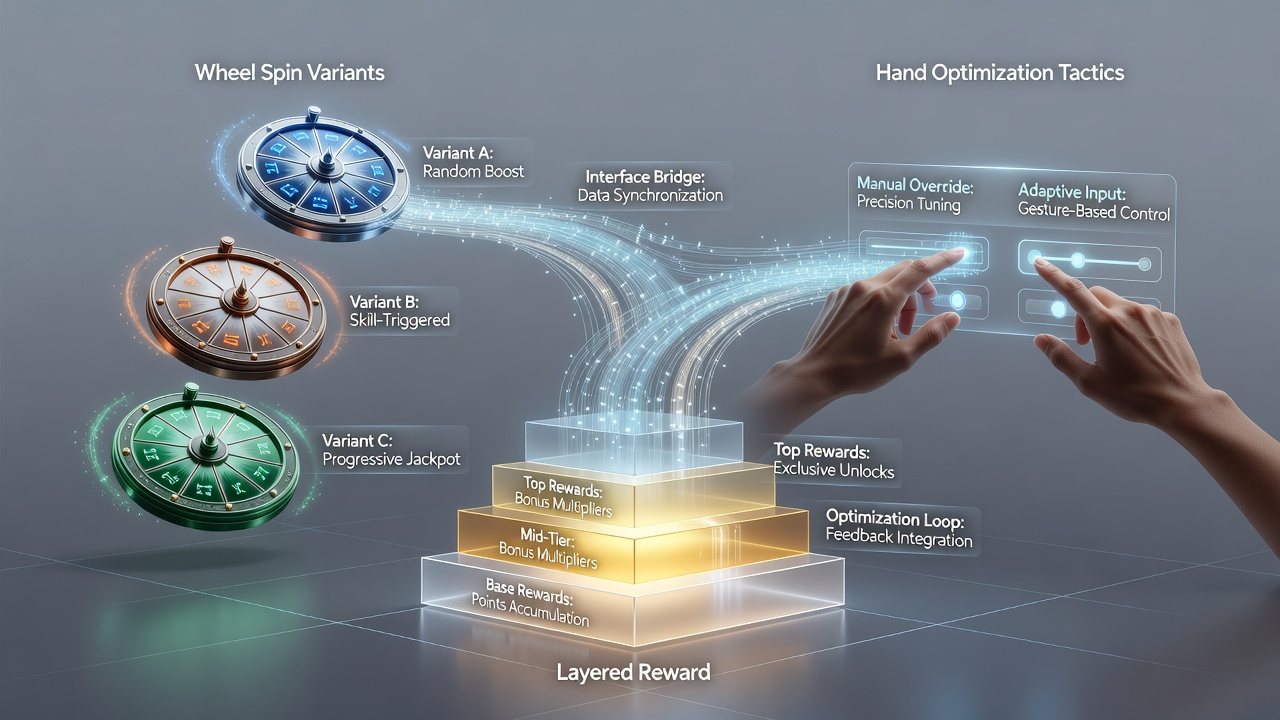
Research indicates that platforms employing these integrated dashboards record higher cross-genre engagement rates, with figures from the International Gaming Standards Association showing a measurable uptick in multi-game sessions during the first half of 2026. Developers achieve this by mapping action data from wheel spins directly into card hand scoring algorithms and vice versa.
App Ecosystem Data Flows and Player Progression
App ecosystems manage data flows that synchronize reward ledgers across devices, ensuring that achievements earned on one platform version carry over when users switch to another. This synchronization supports layered structures by maintaining consistent status levels regardless of whether the player focuses on wheel spin sequences or hand optimization sequences at any given moment. Those who have studied retention patterns report that unified profiles encourage broader exploration of available titles rather than concentration on single categories.
Additional layers often incorporate time-limited challenges that require completion of both spin and card objectives before claiming escalated rewards, and these challenges update according to aggregate platform usage statistics. In June 2026 several major operators adjusted challenge parameters to reflect increased mobile traffic, resulting in more frequent cross-genre prompts appearing within active sessions.
Examples of Implementation Across Operators
One documented case involves an operator that links five-reel spin variants with multi-hand card tables through a shared loyalty meter, where each successful reel combination contributes fractional points toward card table entry bonuses. Another implementation uses visual connection indicators on the main lobby screen, displaying how recent hand optimizations have modified upcoming wheel spin probabilities for that account. These examples demonstrate how the bridges function without altering the fundamental randomness of spins or the strategic requirements of card play.
Regulatory Context and Reporting Standards
Regulatory bodies in multiple jurisdictions require operators to document how reward layers distribute value across game types, and reports submitted to the New South Wales Liquor and Gaming Authority in early 2026 included detailed breakdowns of cross-genre credit flows. Such documentation ensures transparency regarding the ways interface bridges calculate and apply accumulated benefits, though specific formulas remain proprietary to each platform.
Conclusion
Interface bridges that connect wheel spin variants with hand optimization tactics through layered reward structures continue to shape app ecosystem design, with data flows and visual elements supporting progression across both categories. As operators refine these systems through ongoing updates, the measurable outcomes include extended session durations and diversified game engagement recorded across multiple regions. Continued reporting from regulatory sources will track how these connections evolve in subsequent periods.