How Adaptive Reward Algorithms in Practice-Based Reel Environments Connect to Skill Progression in Wireless Multiplayer Card Settings Across Emerging Regulatory Landscapes
Written by Petra Jenkins · Jul 28, 2026

How Adaptive Reward Algorithms in Practice-Based Reel Environments Connect to Skill Progression in Wireless Multiplayer Card Settings Across Emerging Regulatory Landscapes
Adaptive reward algorithms operate in practice-based reel environments by adjusting payout structures and bonus triggers according to observed player patterns, and these systems generate data that feeds directly into skill progression models used in wireless multiplayer card settings. Researchers track how repeated exposure to variable reward schedules in demo reel sessions builds pattern recognition that players later apply during real-time card exchanges on mobile networks.
Algorithm Mechanics in Reel Practice Modes
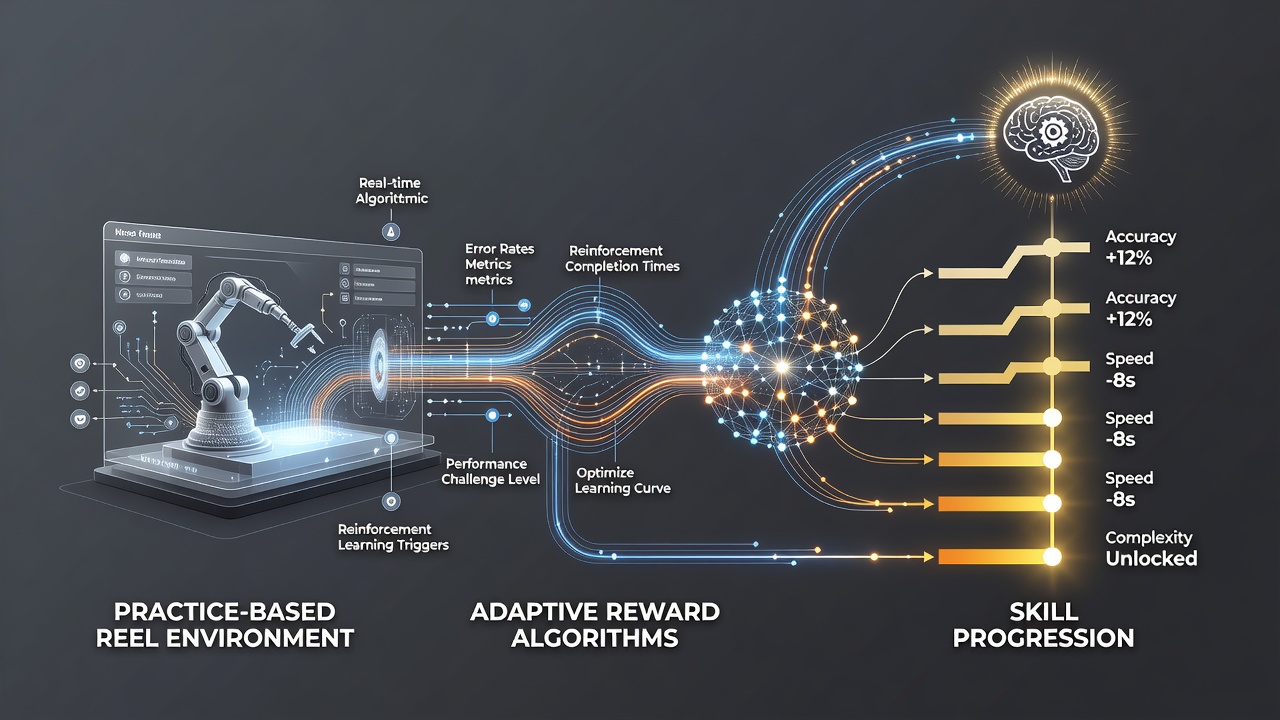
Practice reel environments employ machine learning layers that monitor session length, bet sizing sequences, and response times to modify reward frequency without altering core return-to-player percentages. Data indicates these adjustments create personalized difficulty curves that encourage sustained engagement, and the resulting behavioral profiles transfer to card game interfaces where timing and decision trees determine outcomes in multiplayer wireless sessions. Observers note that algorithms prioritize sequences which reward incremental improvements in predictive accuracy, a process that mirrors the skill acquisition loops found in competitive card tournaments operating over 5G connections.
Studies conducted across multiple platforms reveal that players who complete extended practice reel sequences demonstrate measurable gains in risk assessment during subsequent wireless card events. The connection appears through shared metrics such as decision latency and bankroll allocation efficiency, both of which algorithms optimize simultaneously across environments. Regulatory bodies in several jurisdictions now require transparency reports on these cross-game data flows, particularly as new licensing frameworks emerge in July 2026.
Transfer Mechanisms to Wireless Multiplayer Card Environments
Wireless multiplayer card settings utilize the same adaptive frameworks to scale opponent difficulty and prize distribution based on imported reel practice metrics. When a player enters a mobile card tournament, the system references prior reel session performance to calibrate starting stakes and blind structures, thereby accelerating skill progression for those who have already demonstrated consistent pattern recognition in reel environments. This linkage reduces onboarding friction while maintaining competitive balance across distributed player pools.
Evidence from industry monitoring shows that session continuity between reel practice and card tournaments correlates with higher retention rates in regulated markets. Algorithms identify transferable competencies such as probability estimation and emotional regulation, then apply targeted nudges during card play to reinforce those competencies. The result is a continuous skill pipeline rather than isolated game experiences, and this pipeline operates under increasing scrutiny from state-level gaming authorities.
Regulatory Developments Shaping Implementation
Emerging regulatory landscapes impose requirements on how adaptive algorithms share data between reel and card environments, with particular attention to player consent and cross-platform tracking. The New Jersey Division of Gaming Enforcement has published updated compliance guidelines that address these connections, requiring operators to document algorithmic influence on skill development pathways. Similar measures appear in Pennsylvania through the Gaming Control Board, where July 2026 reporting deadlines now include metrics on reward adaptation across mobile card sessions.
International frameworks add further layers, as authorities in Australia through the Australian Communications and Media Authority examine how practice reel algorithms affect real-money card progression in cross-border wireless settings. These reviews focus on preventing unintended skill inflation that could disadvantage new entrants in multiplayer environments. Operators respond by building audit trails that separate practice data from live card play while preserving the algorithmic links that support player advancement.
Technical Integration and Data Flows
Integration occurs through centralized player accounts that aggregate performance indicators from both reel practice and wireless card sessions. Algorithms process these indicators in real time to adjust reward schedules, ensuring that demonstrated improvements in one environment produce calibrated challenges in the other. This architecture supports skill progression without requiring players to restart learning curves when switching between reel and card formats on portable devices.
Security protocols encrypt the data streams that carry adaptive parameters, and operators conduct regular penetration testing to safeguard against unauthorized access. The technical standards continue to evolve alongside regulatory expectations, particularly as more jurisdictions prepare updated rules ahead of July 2026 implementation dates. These standards emphasize interoperability between reel and card systems while protecting the integrity of skill-based outcomes.
Conclusion
Adaptive reward algorithms create measurable pathways that connect practice reel environments to skill progression in wireless multiplayer card settings, and these pathways operate within expanding regulatory structures that prioritize transparency and player protection. Data flows between the two domains support continuous improvement while meeting compliance obligations across multiple jurisdictions. As frameworks mature through 2026, the technical and regulatory alignment determines how effectively these connections scale for broader player populations.