Exploring Interface Adaptations That Link Reel Mechanics With Multiplayer Card Tournaments on Portable Platforms
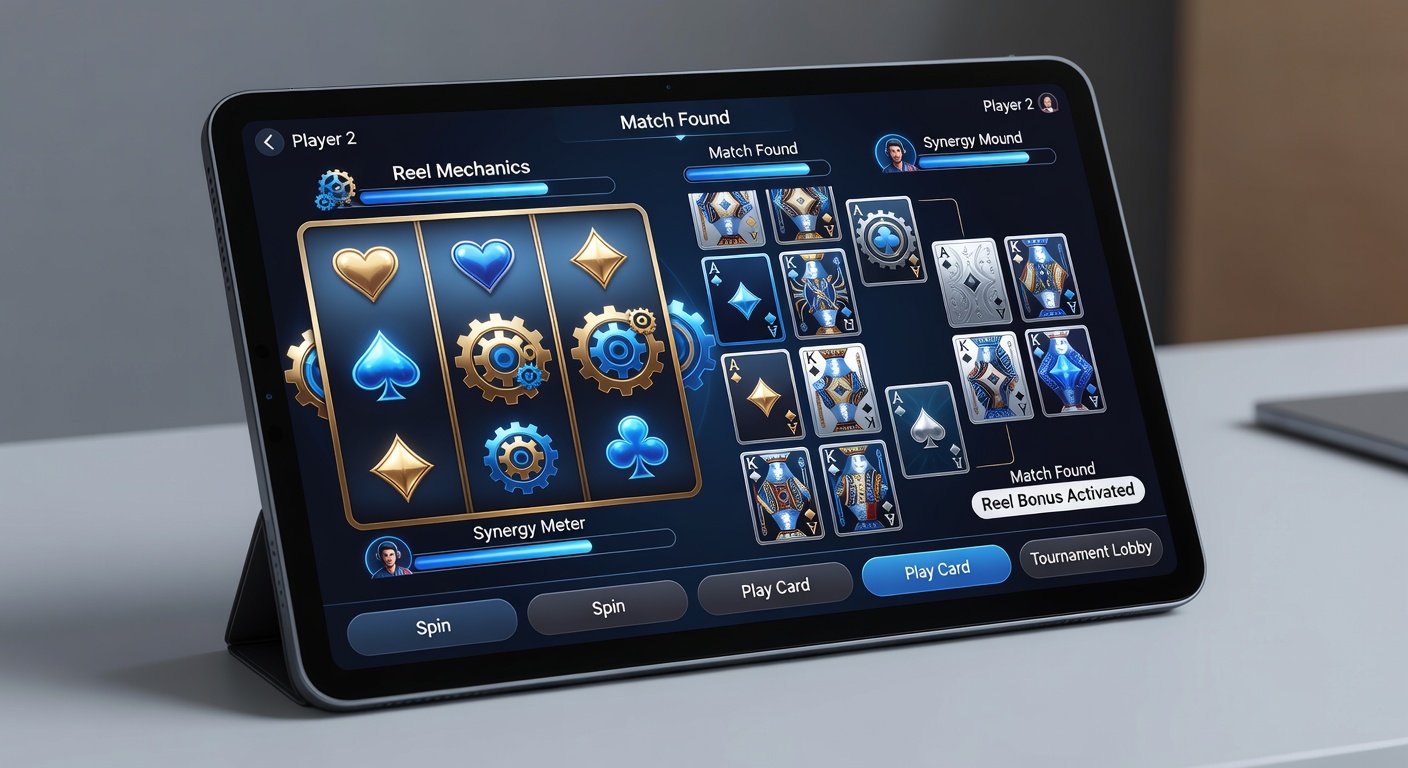
Portable platforms have driven developers to create interfaces that merge spinning reel dynamics with structured card tournament formats, allowing users to transition between chance-based sequences and strategic play without leaving a single session, and these adaptations rely on responsive touch controls that resize elements based on device orientation while maintaining consistent visual feedback across different screen sizes.
Reel Mechanics Adapted for Touch and Mobility
Reel systems originally built for stationary machines now appear in compact layouts where symbols spin vertically or horizontally depending on swipe direction, and developers adjust animation speeds to match typical thumb movements so players maintain momentum during short bursts of interaction on trains or in waiting areas, while data from the Nevada Gaming Control Board shows mobile reel engagement rising steadily as hardware supports higher refresh rates that reduce perceived lag during rapid spins.
Card tournament layers sit alongside these reels through split-screen panels that expand when a player qualifies for a bracket, and the interface uses swipe gestures to select cards or confirm bets without covering the active reel area, which keeps both mechanics visible and prevents users from losing track of ongoing spins while they review opponents' hands in real time.
Multiplayer Tournament Integration on Portable Screens
Multiplayer card events require synchronized timing across devices, so interfaces incorporate live status bars that update reel outcomes and card results in parallel, and these bars shrink automatically when network conditions fluctuate yet expand again once connectivity stabilizes, allowing tournaments to continue without full restarts, and observers note that such adjustments appear more frequently in applications targeting users who switch between cellular and Wi-Fi networks throughout the day.
One study from the University of Nevada Reno examined how visual cues from reels, such as flashing win indicators, carry over into card selection screens to signal available moves, and researchers found that consistent color coding and icon placement reduced decision time by measurable margins during group matches, whereas mismatched animations led to higher drop-off rates among participants using smaller tablets and phones alike.
Interface Tweaks That Support Hybrid Play Patterns
Design teams adjust button sizes and spacing to accommodate both one-handed reel spins and two-handed card arrangement, and many applications now include customizable layouts where users drag interface modules to preferred corners, which proves useful during extended tournament rounds that alternate between passive spinning phases and active card decisions, while push notifications alert players only when their next action window opens so they avoid constant screen monitoring.
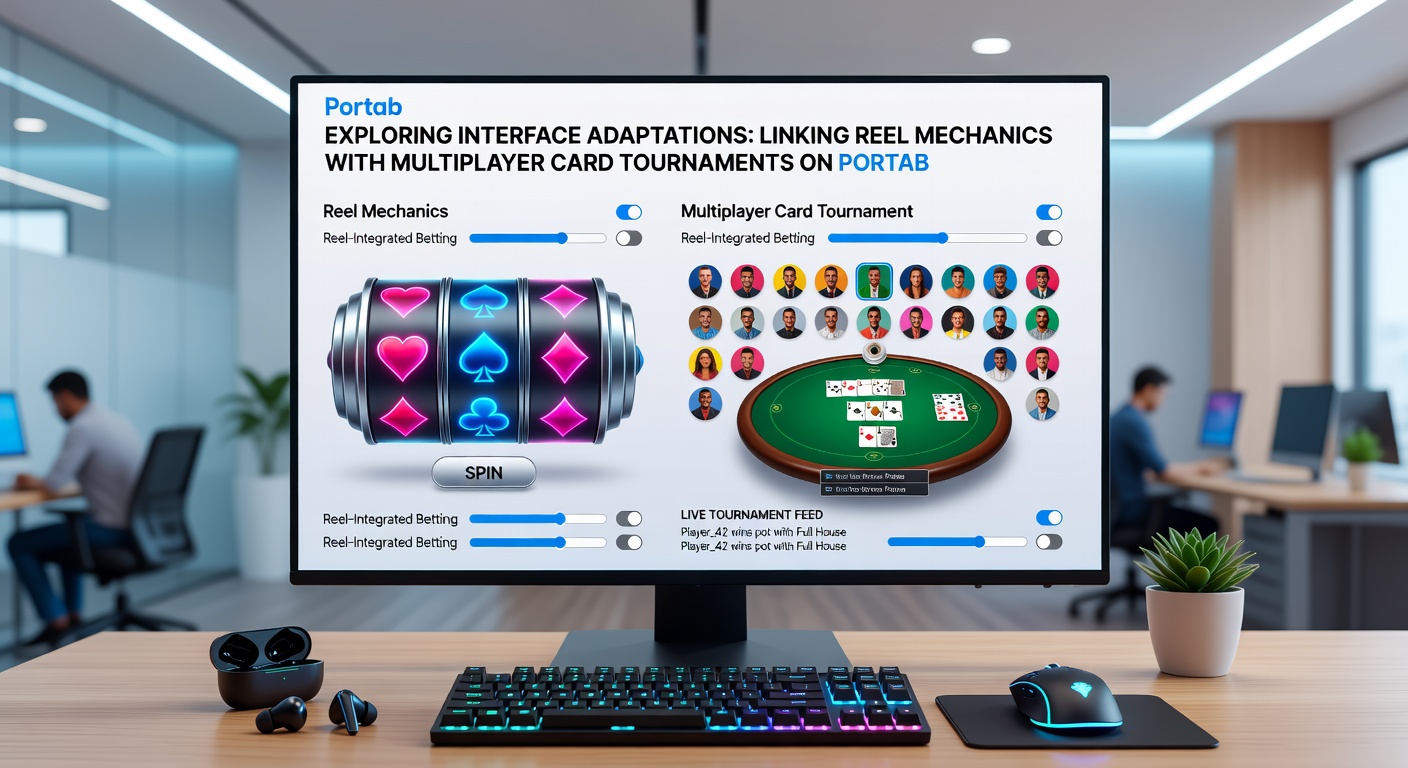
Cross-progression systems link reel achievements directly to tournament entry points, meaning accumulated symbols or multipliers unlock higher-stakes card brackets without separate registration steps, and this linkage appears in several platforms preparing expanded features for May 2026 as operators respond to increased demand for unified mobile experiences that blend chance elements with competitive structures.
Technical Considerations Behind Portable Adaptations
Developers address battery and processing limits by simplifying background animations during simultaneous reel and card activity, and they prioritize lightweight particle effects that highlight wins without draining resources needed for real-time opponent tracking, while testing on a range of devices from flagship phones to older models ensures the core linkage between mechanics remains functional even when hardware capabilities vary widely.
Security protocols wrap both reel sequences and card exchanges in the same encryption layers, and authentication flows allow quick re-entry into ongoing tournaments after brief disconnections, which maintains continuity for users who move between locations during play sessions, and reports from the Australian Communications and Media Authority indicate that such seamless reconnections correlate with longer average session durations across hybrid game formats.
Future Patterns Emerging in Mobile Ecosystems
Additional layers of adaptive scaling appear in beta versions where reel speed adjusts based on detected tournament pace, slowing during intense card showdowns to reduce visual distraction and accelerating again once brackets resolve, and these shifts rely on machine-learning models trained on aggregated user behavior across thousands of sessions without storing individual identifiers.
Industry groups such as the European Gaming and Betting Association have documented how portable platforms increasingly standardize gesture libraries so players carry familiar controls from one title to another, reducing the learning curve when reel-card hybrids expand into new regions, and this standardization supports broader participation in scheduled events that run across multiple time zones.
Conclusion
Interface adaptations continue to refine the connection between reel mechanics and multiplayer card tournaments by prioritizing responsive design, synchronized updates, and efficient resource use on portable devices, and these developments position mobile platforms to handle increasingly complex hybrid sessions as operators introduce updated features throughout 2026, with data from regulatory and academic sources confirming measurable improvements in both accessibility and session continuity.