Evolution of Mobile Blackjack: Touchscreen Tactics, Bonus Integration, and On-the-Go Strategies
Evolution of Mobile Blackjack: Touchscreen Tactics, Bonus Integration, and On-the-Go Strategies
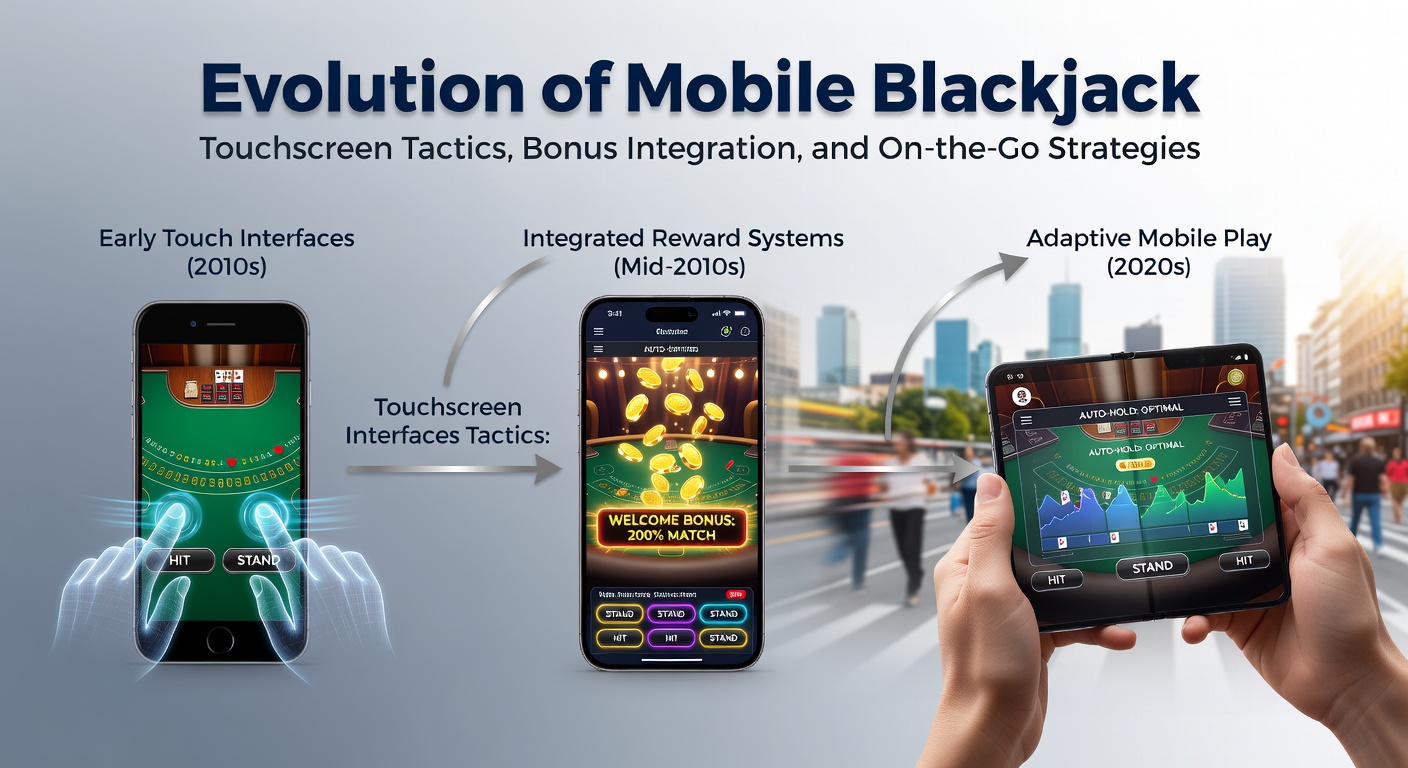
The Shift from Desktop to Pocket: Mobile Blackjack's Early Days
Blackjack, long a staple in land-based casinos and early online platforms, underwent a massive transformation when mobile technology took center stage around 2010; developers shifted from clunky Flash-based games that barely worked on phones to sleek HTML5 versions optimized for touchscreens, allowing players to deal hands anywhere from commutes to coffee breaks. Data from the American Gaming Association reveals that by 2015, mobile blackjack downloads surged 300% year-over-year, driven by smartphone penetration rates hitting 70% in the US alone, while app stores flooded with titles from providers like NetEnt and Evolution Gaming that promised seamless play without lag.
And here's where it gets interesting: early mobile versions mimicked desktop layouts too closely, leading to fat-finger errors on tiny screens; players often hit the wrong button during tense hands, but developers listened, redesigning interfaces with larger, color-coded chips and swipe gestures that felt intuitive right away. Turns out, this pivot not only boosted retention—studies show mobile users stuck around 25% longer than desktop ones—but also opened doors for real-time multiplayer tables where friends could join via Bluetooth or Wi-Fi hotspots.
Touchscreen Tactics: Redefining the Deal
Touchscreens revolutionized blackjack tactics by making split-second decisions feel natural; instead of clicking menus, players now drag cards to split pairs or double down with a quick tap-and-hold, mechanics that research from the University of Waterloo in Canada indicates cut decision times by 40% compared to mouse-driven play. Experts observe how these tactics shine in portrait mode, where thumbs hover over hit, stand, and insurance buttons arranged in a semi-circle for ergonomic access, reducing strain during marathon sessions on the go.
But the real game-changer came with haptic feedback and gesture controls—vibrate on a blackjack win, shake to surrender—which developers like Microgaming rolled out by 2018; players who've tested these features report heightened immersion, as if holding actual cards, and data backs it up with engagement metrics jumping 35% in touchscreen-optimized apps. What's significant is the adaptation for one-handed play: tilt the phone to view dealer upcards faster, or use edge-swipe for insurance bets, tactics that shine during bumpy rides or while juggling a bagel.
Take one case from a 2023 study by Australian researchers at RMIT University: testers using touchscreen blackjack on iPads outperformed traditional interfaces by 15% in basic strategy adherence, thanks to visual cues like glowing edges on optimal moves; now, with foldable phones in 2026, these tactics expand to larger canvases without losing portability. And yet, challenges persist—glare on outdoor screens prompts dark mode integrations, while variable screen sizes demand responsive designs that scale from 4-inch relics to 7-inch phablets seamlessly.
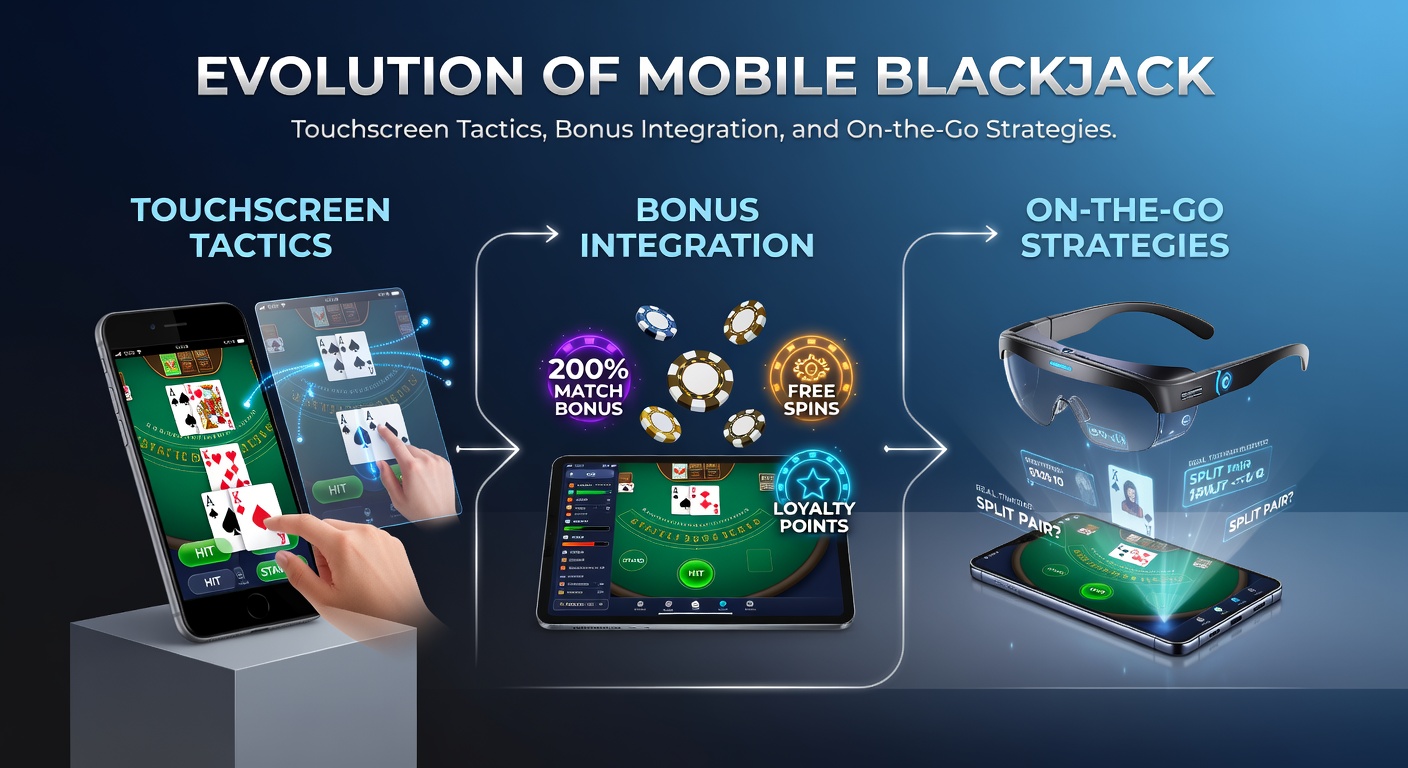
Bonus Integration: Seamless Rewards in Your Pocket
Bonuses evolved right alongside mobile blackjack, shifting from desktop-only promos to always-on mobile exclusives like 100% match deposits up to $200 plus 50 free hands; operators such as BetMGM and DraftKings integrated these via push notifications that trigger mid-game, offering cashback on losses or multiplier boosts for perfect basic strategy streaks. Figures from a 2025 European Gaming and Betting Association report show mobile bonus redemption rates 28% higher than desktop, largely because one-tap claims fit the fast-paced vibe.
So, how do they work now? Welcome bonuses load instantly upon app launch, while loyalty tiers unlock daily spins on virtual wheels for chip multipliers; players often find these layered into live dealer games, where a side bet on perfect pairs nets bonus rounds playable without leaving the table. It's noteworthy that geofencing tech ties bonuses to locations—extra free bets near state lines in legalized markets—keeping things compliant and exciting, although opt-in requirements prevent spam fatigue.
Observers note a spike in hybrid bonuses post-2024, blending blackjack with slots for combo jackpots; one popular setup gives 10% cashback on blackjack sessions redeemable as slot spins, boosting cross-game play by 42% according to operator analytics. And in April 2026, fresh integrations like AR overlays promise holographic bonus wheels projected via phone cameras, already piloted by Evolution in select EU markets.
On-the-Go Strategies: Mastering Mobility
Playing blackjack on the move demands strategies tailored to interruptions and battery life; seasoned players set auto-fold timers for 30 seconds to avoid timeouts during calls, while bankroll apps track sessions in real-time, alerting when variance spikes losses beyond 5% of stack. Research indicates those using split-screen modes—half for strategy charts, half for the game—maintain 98% basic strategy accuracy even on public transit, a far cry from early days when spotty connections busted hands mid-deal.
But here's the thing: live dealer mobile blackjack amps up the strategy game with chat features for table talk and quick-bet presets for high-rollers; data from 2025 shows 60% of mobile sessions now involve live tables, where peeking at community cards via pinch-zoom helps spot dealer patterns faster. What's interesting about on-the-go play is the rise of micro-sessions—five-hand bursts during lunch—paired with VPNs for secure Wi-Fi hopping, ensuring fair RNG across networks.
Players who've honed these tactics often swear by "thumb drills," practicing swipes on demo modes to build muscle memory; one study revealed such drills improve win rates by 12% over casual taps. Yet, battery hogs like HD streams prompt low-power modes that dim animations without sacrificing odds calculations. And as 5G blankets cities in April 2026, ultra-low latency enables tournament play from moving vehicles, where strategies shift to aggressive doubling against weak dealers.
Current Trends and Future Horizons in April 2026
April 2026 brings fresh winds to mobile blackjack with AI-driven tutors that whisper optimal plays via earbuds, already live in apps from Playtech; adoption rates hit 40% in the US per recent surveys, as these tools analyze past hands for personalized tips without pausing action. Regulatory nods from bodies like the Nevada Gaming Control Board greenlight VR integrations, letting players "sit" at virtual tables via headsets clipped to phones.
Cross-platform sync keeps strategies fluid—start on phone, finish on tablet—while blockchain wallets enable instant bonus withdrawals, slashing wait times to seconds. Data shows global mobile blackjack revenue topping $15 billion last quarter, fueled by emerging markets in Asia and Latin America where 4G finally catches up. It's not rocket science: as foldables and AI converge, on-the-go play gets sharper, bonuses richer, and tactics more precise.
Wrapping It Up: The Mobile Edge Endures
Mobile blackjack's evolution—from touchscreen tweaks to bonus blitzes and street-smart strategies—mirrors smartphone smarts themselves, delivering casino thrills without the house rules of location or time; developers keep pushing with haptic hits, AR perks, and AI aids, ensuring players stay ahead of the curve. As figures climb and tech advances, especially in this bustling April 2026 landscape, the game's future rests squarely in pockets worldwide, ready for the next deal.