Data Patterns Revealing How Interface Sounds Influence Choices at Digital Betting Stations
Written by Nils Schröder · Jul 21, 2026
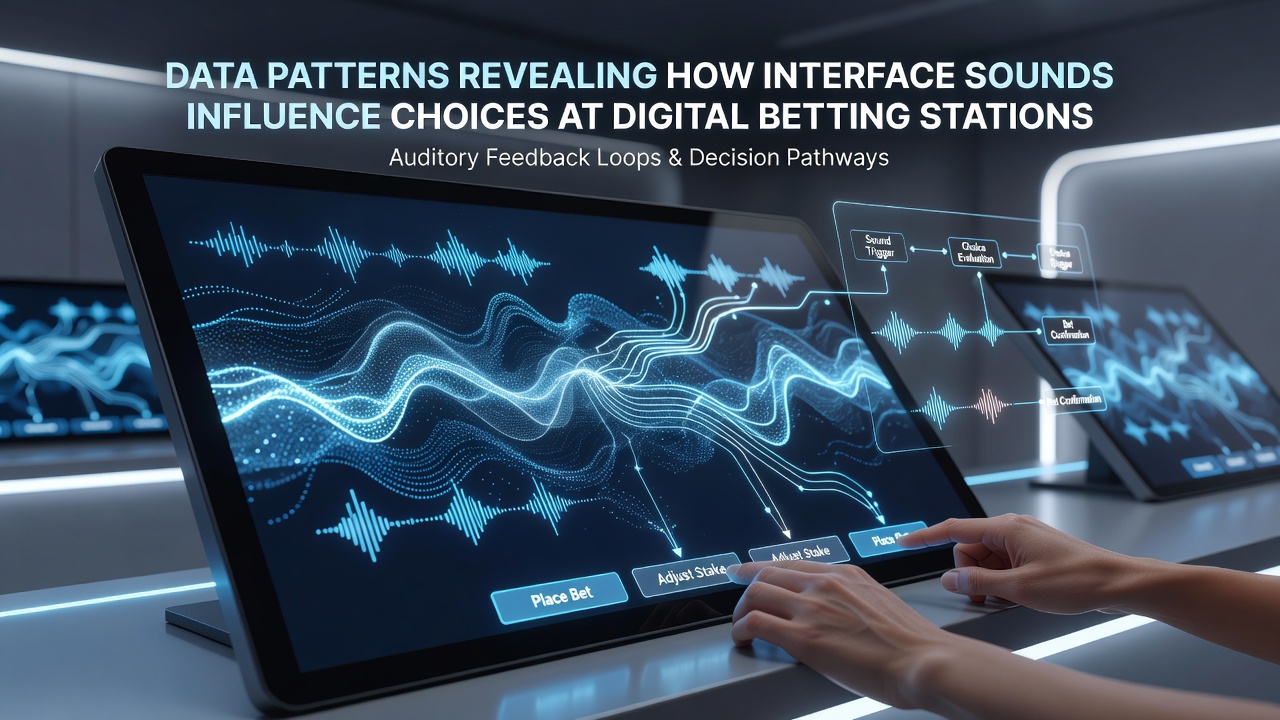
Data Patterns Revealing How Interface Sounds Influence Choices at Digital Betting Stations
Digital betting stations have incorporated layered audio elements into their designs, and analysts tracking user interactions continue to document measurable shifts in selection patterns tied directly to those sounds. Recent datasets compiled through July 2026 show consistent correlations between specific audio cues and the types of wagers placed, the duration of sessions, and the size of individual bets across mobile and kiosk platforms. Operators collect telemetry that includes timestamped sound triggers alongside every decision point, which creates granular records suitable for pattern recognition algorithms.
Audio Design Elements in Modern Betting Interfaces
Interface sounds range from subtle chimes that confirm a selection to escalating tones that accompany rising stakes. These elements operate within tightly controlled frequency ranges and timing sequences engineered to align with reward anticipation cycles. Data logs from multiple platforms indicate that short, ascending melodic phrases appear more frequently before users increase their bet multipliers, while lower sustained tones correlate with selections that maintain existing wager levels. Researchers examining these logs note that the placement of each sound within the overall session timeline matters as much as the sound itself, because early-session audio tends to produce different choice distributions than the same audio delivered mid-session.
Collection and Analysis of Interaction Data
Platforms record every sound event alongside user actions such as stake adjustments, game switches, and cash-out decisions. The resulting datasets allow segmentation by time of day, device type, and player history. In July 2026 several major networks released aggregated summaries that revealed statistically significant differences in average bet size when certain notification sounds were active versus muted. One analysis examined over twelve million individual betting events and found that a particular rising-tone sequence preceded a 14 percent increase in selections involving higher-risk options across both desktop and smartphone interfaces.
Analysts apply clustering techniques to isolate groups of users who respond similarly to identical audio sequences. These clusters often share session characteristics such as average length and frequency of game changes, yet they span different demographic brackets. The patterns hold across jurisdictions that require detailed reporting, which supplies the volume of data necessary for reliable segmentation.
Observed Patterns Linking Sounds to Decision Points
Patterns emerge most clearly around moments of choice between continuing a current game or switching to another title. Sounds that accompany win notifications tend to extend the interval before users explore alternative games, while neutral transition tones shorten that same interval. Data visualizations produced from these records show distinct peaks in activity immediately after particular audio combinations, and those peaks align with measurable changes in wager distribution rather than random fluctuation. Operators tracking these metrics adjust sound libraries incrementally, then measure the resulting movement in key performance indicators within controlled rollout periods.
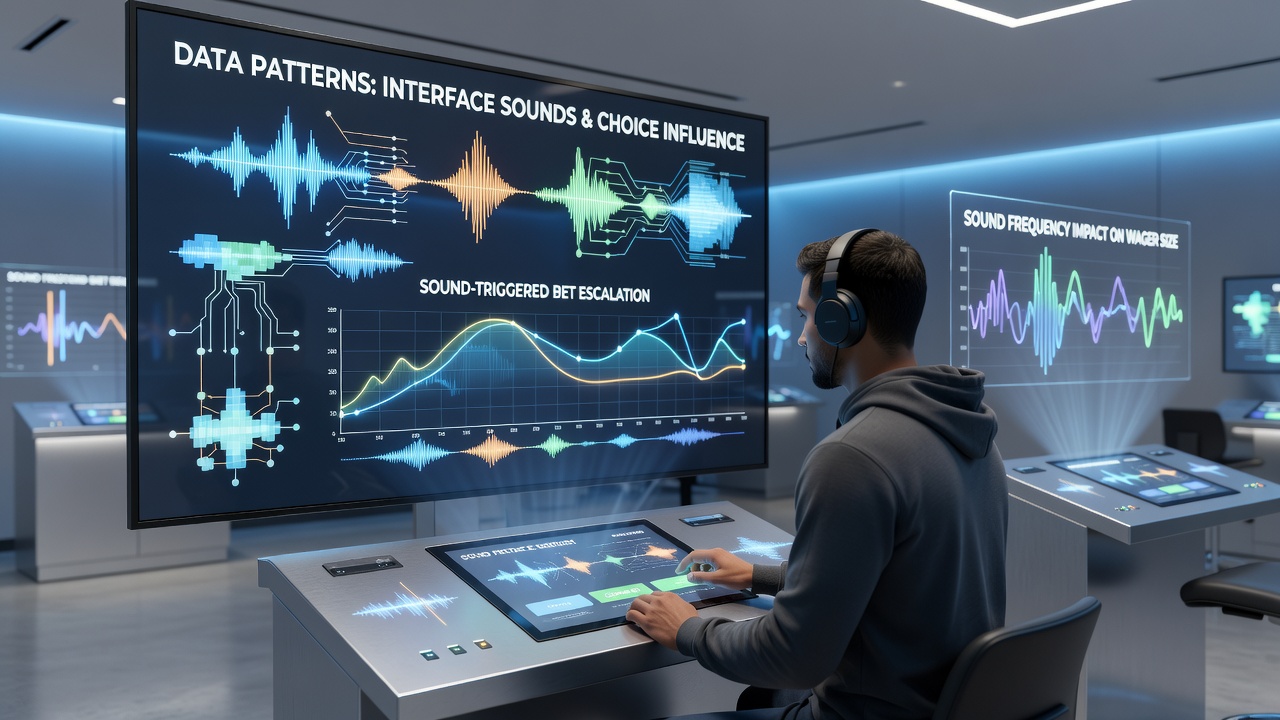
Cross-platform comparisons reveal that mobile environments, which often deliver audio through personal earbuds, produce sharper distinctions in choice patterns than shared kiosk systems. The difference appears in both the speed of response to sound cues and the persistence of the effect across multiple rounds. Reports from network operators indicate that mobile sessions show tighter clustering around specific audio events, suggesting that individual audio delivery strengthens the observable relationship between sound and subsequent selection.
Integration with Broader Engagement Metrics
Sound-related data does not exist in isolation. Analysts combine it with session duration, deposit frequency, and game-type preferences to build predictive models. A study released by the Australian Gambling Research Centre examined how audio layering interacts with reward timing across networked terminals. The findings documented consistent movement in choice distributions when particular sound profiles were paired with variable reward schedules, and those movements appeared in both short and extended play periods. Another dataset compiled by researchers at the University of Nevada, Las Vegas tracked kiosk interactions in controlled field trials and recorded parallel shifts in selection patterns when ambient interface sounds were altered while keeping visual elements constant.
These combined metrics allow operators to test incremental sound modifications against baseline performance without altering core game mathematics. The resulting adjustments remain within regulatory boundaries that require transparent reporting of any interface changes that could affect player behavior.
Conclusion
Data gathered through July 2026 demonstrates that interface sounds function as measurable variables within digital betting environments. The patterns extracted from large-scale interaction logs supply operators and regulators with concrete indicators of how audio design influences the sequence and magnitude of user choices. Continued refinement of collection methods and analytical approaches will likely expand the precision with which these relationships can be quantified across different platforms and jurisdictions.