Community-Driven Poker Tournaments Reshaping Participation Patterns in Digital Card Environments Beyond Physical Venues
Written by Paul Meier · Jul 26, 2026
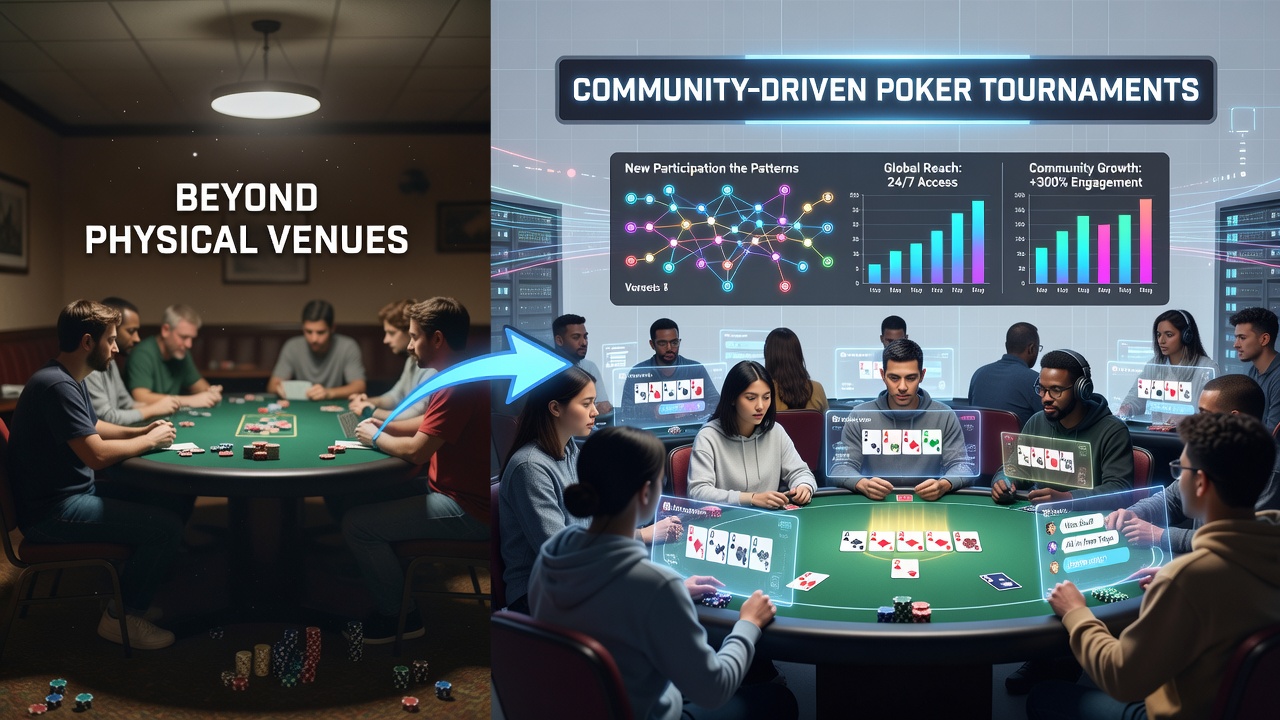
Community-Driven Poker Tournaments Reshaping Participation Patterns in Digital Card Environments Beyond Physical Venues
Community-organized poker events have expanded rapidly across digital platforms, drawing participants who previously favored physical casino floors and creating new patterns of engagement that extend well beyond traditional venues. Observers note steady growth in these formats through mid-2026 as players form groups, schedule matches, and manage prize structures without relying on centralized operators.
Expansion of Player-Led Events in Online Spaces
Digital environments now host numerous tournaments initiated by participants themselves through forums, messaging apps, and dedicated software tools. These events often feature custom rules, regional qualifiers, and rotating leadership that allow groups to adjust formats based on collective preferences. Data from industry tracking services indicate that such tournaments accounted for a larger share of online poker activity entering July 2026 compared with earlier years, while physical casino poker rooms reported stable but slower growth in certain markets.
Platforms supporting these activities provide APIs and community modules that let organizers set blind levels, manage registrations, and distribute winnings automatically. Researchers at several gaming studies centers have documented how these features reduce administrative overhead and encourage repeat participation among dispersed player bases.
Shifts in Where and How People Play
Participation metrics reveal movement away from exclusive reliance on physical card rooms toward hybrid models that combine occasional in-person sessions with frequent digital community events. One study released in early 2026 tracked player movement across North American markets and found that many individuals who once visited casinos weekly now join online tournaments multiple times per month while maintaining fewer physical visits. This pattern appears consistent across age groups, though younger cohorts show the most pronounced change.
Geographic factors play a role as well. In regions with limited casino access, digital community tournaments fill gaps that physical venues cannot address. Australian gaming reports and data compiled by the Canadian Gaming Association both highlight increased cross-border participation in online events organized by player networks rather than licensed operators.
Technology Enabling Decentralized Organization
Software developments have lowered barriers for groups seeking to run their own events. Integrated chat functions, automated payout systems, and real-time leaderboards allow organizers to maintain fairness and transparency without external oversight. These tools connect directly with broader digital card ecosystems, letting participants move between casual play and structured tournaments within the same interface.
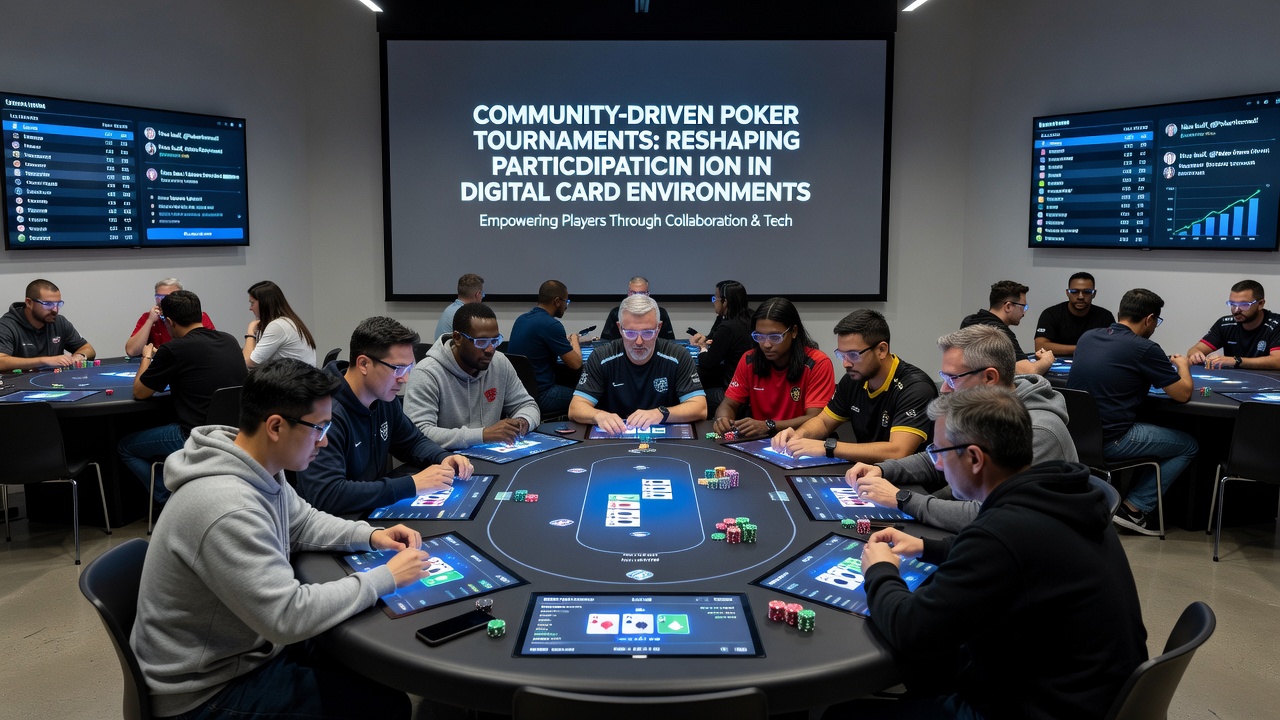
Security features such as verified accounts and transaction logging help sustain trust among participants who may never meet in person. According to figures released by the American Gaming Association, transaction volumes tied to player-managed poker events rose noticeably through the first half of 2026, reflecting broader adoption of these decentralized formats.
Impact on Traditional Venues and Player Behavior
Physical poker rooms continue to operate but face competition from flexible digital alternatives that operate around the clock and accommodate varying stake levels. Some casino operators have responded by integrating community features into their own apps, allowing players to form clubs or host satellite events that feed into larger live tournaments. This blending of approaches shows how participation patterns now span both environments rather than replacing one with the other.
Observers tracking session data note that community-driven events often produce longer engagement periods because players feel invested in the social structure surrounding each tournament. Schedules set by participants themselves also reduce the friction associated with traveling to fixed-location venues.
Regulatory and Industry Responses Through Mid-2026
Regulatory bodies in multiple jurisdictions continue to examine how player-organized events fit within existing frameworks. Licensing requirements vary, yet many authorities permit community formats when platforms maintain compliance with anti-money laundering and age verification standards. Industry associations have begun publishing guidelines that distinguish between operator-run events and those managed primarily by participants.
Research institutions studying digital gaming behavior have started longitudinal projects to measure long-term effects on player retention and spending patterns. Preliminary findings suggest that community tournaments attract both recreational and more experienced players, creating diverse participation bases that differ from typical casino demographics.
Conclusion
Community-driven poker tournaments have established themselves as a distinct segment within digital card environments, influencing how participation occurs across both online and physical settings. Trends observed through July 2026 point to continued integration of player-led formats into broader gaming ecosystems, supported by evolving technology and shifting player preferences. Data from multiple regions show these developments reshaping access and engagement without eliminating traditional venues entirely.